NATO plans unmanned robotic zone on Russia-Belarus border

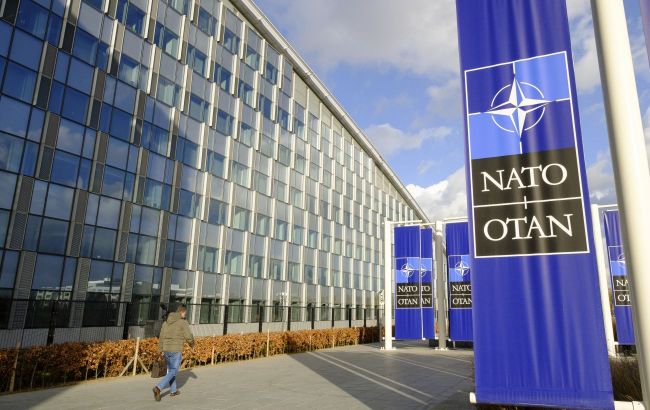 NATO strengthens defense of its eastern flank amid new threats (Photo: Getty Images)
NATO plans to create an almost unmanned, robotic zone on its eastern flank equipped with high-tech surveillance and weapons systems. The initiative aims to protect soldiers’ lives in the initial stages of a potential attack, according to Welt.
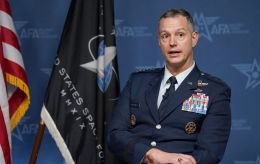
NATO General Thomas Lowin said the plans are a response to increased threats from Russia. Under the concept, a multi-layered defense system will be established along NATO’s borders with Russia and Belarus, combining sensors, automated systems, and robotic platforms to detect and deter enemy advances early.
Lowin described the area as a hot zone designed to disrupt enemy initiatives and reduce enemy combat effectiveness before a major clash with NATO forces. The zone may deploy armed drones, semi-autonomous combat vehicles, robotic ground systems, and automated air and missile defense systems.
In addition, as part of strengthening its eastern flank, NATO plans to station significantly larger stockpiles of weapons and ammunition in border countries than before, ensuring rapid response and logistical support in case of a crisis.
The general also emphasized that, while high-tech systems will play a key role, final decisions on the use of force remain in human hands, in accordance with existing international laws and ethical standards.
The Welt notes that these changes come amid NATO’s efforts to bolster defense capabilities following Russia’s full-scale invasion of Ukraine and rising tensions in transatlantic relations. The alliance’s eastern flank has already seen a substantial increase in military presence and defensive planning.
NATO began actively strengthening its defenses after Russia’s invasion of Ukraine, particularly following Moscow’s drone provocations on NATO territories last fall.
Meanwhile, the Kremlin sees NATO and Europe as preparing for a war against Russia, a stance recently expressed by Russian Foreign Minister Sergey Lavrov.