NATO allies move from weapons transfers to targeted funding for Ukraine


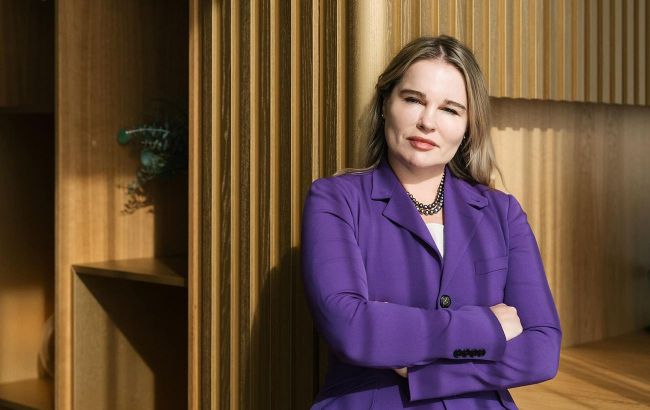 Photo: Alyona Getmanchuk, Ukraine's ambassador to NATO (facebook.com/alyona.getmanchuk8)
Ukraine’s partners are gradually moving away from the practice of transferring whatever weapons are available and are shifting to financing specific needs, says Alyona Getmanchuk, head of Ukraine’s Mission to NATO, in an interview with RBC-Ukraine.
The main change is that partners now have to direct funds primarily toward the areas that Ukraine identifies as priorities.
This concerns three unchanged areas, to which Kyiv proposes directing about 80% of all contributions.
Specific needs within these areas may change depending on the situation on the front and the nature of the threats.
“The first key point: there has been a transition from a model in which we were given everything available, and in some cases, as we know very well, this even came down to transferring equipment that required substantial restoration. Today, this model is based on partners financing what Ukraine really needs. These are targeted financial contributions to our priorities.”
From general to priority
The diplomat noted that consistency and predictability of Ukrainian requests are important to NATO. According to her, despite the change of three defense ministers over the past year, the priorities identified by Kyiv remained unchanged.
This allows partners to better understand which areas they should count on when planning support.
Getmanchuk named the principle of prioritization as another change. Ukraine now tells its allies not only about the weapons it needs, but also about what assistance it does not need.
This makes it possible to use NATO countries’ funds more efficiently and direct them toward tasks that can directly affect Ukraine’s defense.
Kyiv is also developing interim priorities ahead of Ukraine Defense Contact Group (UDCG) meetings, specifying specific amounts. This should allow funding to be shaped more precisely around current needs.
All the main formats for coordinating defense assistance were being combined into a single system based on a general list of Ukraine’s needs.
Earlier, Alyona Getmanchuk noted that the updated format of the Ukraine Defense Contact Group’s work had made the process of defense support for Ukraine more sustainable and less dependent on personnel changes. According to her, after the reform, key decisions and coordination of assistance are no longer tied exclusively to meetings of defense ministers, and work continues at several levels.