NASA sets clear timeline for when humanity will colonize the Moon

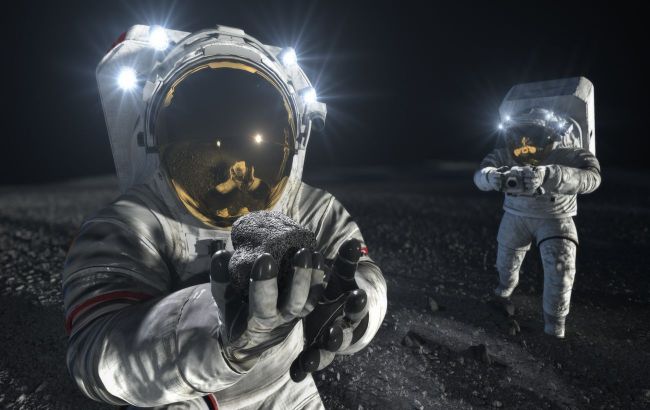 NASA prepares first permanent base on the Moon (photo: NASA)
NASA has unveiled a large-scale £24 billion plan under which humans could begin living permanently on the Moon by 2033. The first phase of the project has already begun, with British, Japanese, and private American tech startups playing a key role in supporting the future lunar base, according to Daily Star.
NASA has developed a step-by-step “return to stay” strategy. Following the success of the Artemis II mission, the agency is moving on to active preparation for the next stages:
- 2027: testing of a landing module during the Artemis III mission in lunar orbit
- 2028: first crewed landings under Artemis IV and V, if cargo landers prove reliable
- 2029: official start of construction of the first lunar base structures
Notably, a fierce competition is underway between Elon Musk’s SpaceX and Jeff Bezos’ Blue Origin for the right to carry out the first landing on the Moon.
Space infrastructure: what is planned
The success of the mission depends on stable communication and mobility. Next year, the British Lunar Pathfinder satellite will be launched into orbit to provide communication even from the dead zone on the far side of the Moon.
For surface travel, Japan’s JAXA, together with Toyota, is developing a large pressurised rover, a mobile home on wheels expected to be ready by 2032.
In addition, nuclear generators and solar panels will be delivered to the Moon to cope with extreme cold conditions.
Why NASA chose the Moon’s south pole
The lunar south pole was selected for a reason. It contains ice deposits that could be converted into drinking water and oxygen. However, conditions there are significantly harsher than at the Apollo landing sites.
Challenges for future missions include:
- Extreme darkness: astronauts will face lunar nights lasting 14 Earth days
- Lunar dust: NASA is studying how the abrasive material affects equipment during landing and takeoff
- Radiation: special probes and rovers are mapping safe zones for long-term human presence
“It's time to start believing again. This time, the goal is not flags and footprints. This time, the goal is to stay,” said private astronaut and billionaire Jared Isaacman.
By 2027, NASA plans to send nine cargo modules to the Moon, delivering critical equipment, including heaters and the VIPER rover for resource exploration in permanent frost conditions.