Naftogaz opens new gas supply route - How it works

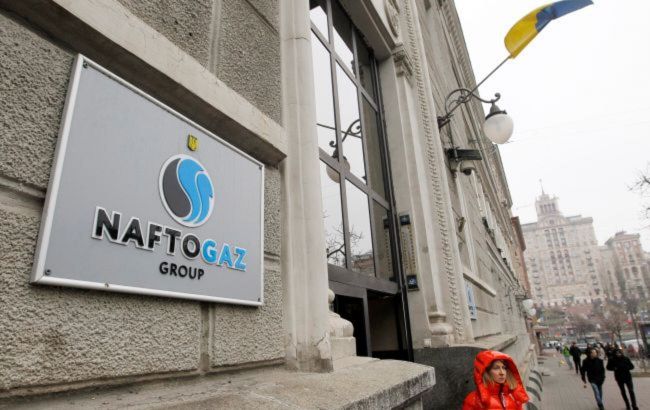 Photo: Naftogaz (Getty Images)
Ukraine is expanding its gas import routes, having received US liquefied natural gas via a German LNG terminal for the first time. The move is expected to strengthen energy security and reduce dependence on unstable supply sources, according to a Facebook post by Naftogaz CEO Serhii Koretskyi.
New gas supply route
The Naftogaz Group, together with TotalEnergies, has for the first time organized imports of US LNG via the Deutsche ReGas terminal on the island of Rügen in the Baltic Sea.
After regasification in Germany, the gas is delivered to Ukraine through Poland. The resource became available within Ukraine’s gas system already in February.
Importance for energy security
The move represents more than a new logistics channel. The company said it reflects trust and coordinated work with partners, noting that amid ongoing Russian attacks on energy infrastructure, every additional supply route strengthens Ukraine’s energy security.
Each step in developing alternative routes improves supply stability and reduces the risk of disruptions during critical periods.
Outlook and further plans
The launch demonstrates Naftogaz’s ability to respond quickly to changes in the energy market and actively implement international partnership solutions.
The company is gradually expanding its supply network to provide reliable gas sources and reinforce Ukraine’s energy independence.
Naftogaz also reported that just one month after launching its Kub mobile application, the number of connected customer accounts exceeded one million. The app allows users to submit gas meter readings, pay bills, manage accounts, and track consumption, simplifying interaction with the company.
Meanwhile, European natural gas prices have fallen to a five-week low due to milder weather forecasts. However, these changes are not expected to affect household gas tariffs in Ukraine. According to Bloomberg, European gas futures dropped by 6.9% amid lower fuel prices in the US and warmer weather reducing pressure on reserves, but this has not yet impacted costs for Ukrainian consumers.