Mystery of Earth's greatest mass extinction finally solved: What killed nearly all life

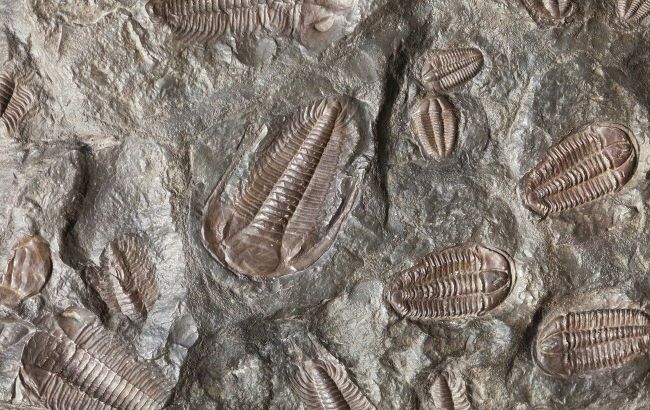 Stanford University researchers identify the cause of the Great Dying (Photo: Unsplash)
An international team of scientists has solved the mystery of the Great Dying. Researchers confirmed that extreme global warming wiped out 96% of marine species by causing critically low oxygen levels in the oceans, according to Gizmodo.
A hot, oxygen-starved ocean: Why ancient species died out
Scientists found that the catastrophe was triggered by massive volcanic activity, most likely the eruption of the Siberian Traps, which released huge amounts of greenhouse gases into the atmosphere and caused a dramatic rise in global temperatures.
Exactly how marine life died had remained the subject of scientific debate. To investigate, researchers compared the metabolism of modern marine animals with fossil evidence from species that lived before and after the extinction event.
Key findings of the study
- Rising global temperatures heated the oceans, and warmer water is physically capable of holding far less dissolved oxygen than colder water.
- Species that disappeared during the Great Dying had metabolisms poorly adapted to extreme heat and oxygen deprivation.
- Only a small number of organisms survived—those that had naturally evolved a high tolerance to low-oxygen conditions and temperature fluctuations.
- Mortality rates across different groups of marine animals closely matched their vulnerability to oxygen depletion.
The researchers concluded that the combination of heat stress and hypoxia (oxygen deprivation) was the primary driver behind the mass extinction of ocean life.
A warning from the past: Is Earth approaching another catastrophe?
Today, humanity is facing a new climate crisis driven by human activity. Researchers warn that the current trajectory bears striking similarities to the events of the Permian Period.
Under the worst-case scenarios, Earth could move toward levels of warming similar to those that once devastated the planet's biosphere.
During the Great Dying, global temperatures rose by 8 to 12 degrees Celsius, although that process unfolded over thousands of years. Today, temperatures are projected to increase by 1.5 to 4 degrees Celsius in just one or two centuries.
The crucial difference, scientists note, is that unlike the ancient volcanic eruptions, humanity has direct control over carbon emissions—and still has the opportunity to prevent climate change from reaching irreversible tipping points.