Retinol isn't just for wrinkles: Facts you should know before using it

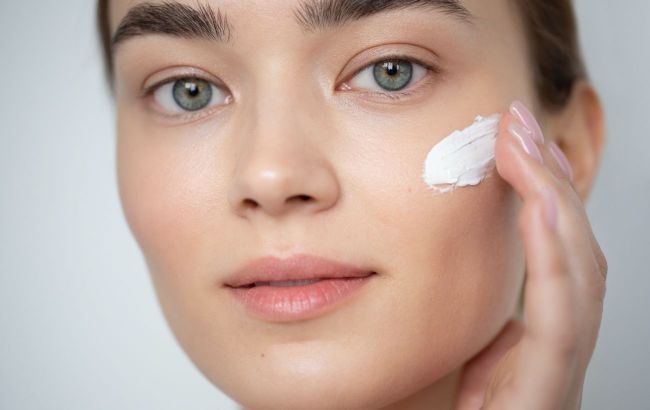 Dermatologist explains how to use retinol correctly (Photo: Magnific)
Retinol helps fight wrinkles, pigmentation, and acne, but it is not suitable for everyone and should be used with care. Before trying it for the first time, it's important to know a few key rules, according to Health.
What is retinol?
Dermatologist Dr. Rebecca Bialas explained that retinol is a derivative of vitamin A.
Vitamin A is a general term for a group of skincare ingredients known as retinoids, which are considered the gold standard for treating signs of aging and acne.
Retinoids work by changing the way skin cells grow and renew themselves. Retinol speeds up cell turnover, exfoliates the skin, and helps unclog pores.
It also stimulates collagen and elastin production, reducing the appearance of wrinkles and fine lines.
What you should know before using retinol
Even people with sensitive skin can use it
Many people believe that retinol is unsuitable for sensitive skin, but that is not necessarily true.
The main exceptions are people with severe rosacea or extremely sensitive skin. Dryness and irritation are common when starting retinol, but introducing it gradually by applying it once or twice a week at night can help your skin adjust.
Start by using it two to three times a week, or once a week if your skin is very sensitive. Then slowly increase the frequency.
Use only a pea-sized amount
The dermatologist recommends squeezing out a pea-sized amount onto your index finger and dividing it into five small dots across your face: the forehead, nose, both cheeks, and chin.
Gently spread the product into a thin, even layer while avoiding the eye area.
Pairing retinol with a moisturizer can help reduce irritation.
Your skin may peel
The most common side effects during the first few weeks include dryness, redness, peeling, and irritation.
If irritation becomes too severe, stop using the product for a few days to let your skin recover before restarting. Some people also experience skin purging, which happens because increased cell turnover pushes trapped oil and debris to the surface.
Don't expect overnight results
Your skin may take several weeks to adjust. Visible improvements usually appear after three to six months of consistent use.
Dermatologists recommend thinking of retinol as a long-term investment in your skin rather than a quick fix.
Who should avoid retinol?
Retinol is generally not recommended for:
- Pregnant women. Topical retinoids, including retinol, retinal, tretinoin, adapalene, and tazarotene, are usually avoided because of potential risks to the fetus, even though only a small amount is absorbed through the skin.
- Women planning a pregnancy. Many dermatologists recommend stopping retinoids before trying to conceive.
- People with severely irritated or damaged skin, including burns, open wounds, or a compromised skin barrier.
- People experiencing flare-ups of inflammatory skin conditions such as eczema, rosacea, or dermatitis, unless advised otherwise by a dermatologist.
You should also be cautious if you:
- Use strong exfoliating acids (AHA or BHA), benzoyl peroxide, or harsh scrubs at the same time, as this increases the risk of irritation.
- Spend a lot of time in the sun without sunscreen. Retinol makes the skin more sensitive to UV rays, so wearing SPF 30–50 every day is essential.
This material is for informational purposes only and should not be used for medical diagnosis or self-treatment. Our goal is to provide readers with accurate information about symptoms, causes, and methods of detecting diseases. RBС-Ukraine is not responsible for any diagnoses that readers may make based on materials from the resource. We do not recommend self-treatment and advise consulting a doctor in case of any health concerns.