Moscow power plant fortified after massive Ukrainian drone attack

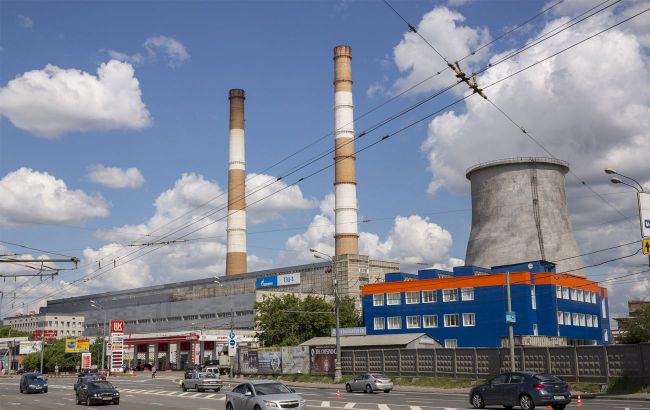 Russians fortify a Moscow power plant to protect it from drones (photo: Wikipedia)
In Moscow, workers have begun urgently surrounding Thermal Power Plant No. 8 with concrete blocks to protect the facility from potential drone attacks, Astra reported.
The work was spotted on Volgogradsky Prospekt in the Russian capital, where Moscow Thermal Power Plant No. 8 is located. Footage showing the installation of concrete structures was posted online.
According to information shared on social media, the installed blocks are intended to serve as a base for the construction of anti-drone nets around the critical facility.
Work to fortify the power plant began immediately after a massive drone attack on Moscow overnight on September 20. Moscow Mayor Sergey Sobyanin complained that it was the largest attack to date and claimed that 450 drones had been shot down as they approached the city.
Moscow fortifies power plant after Ukrainian drone attack pic.twitter.com/SQov9XkN9L
— RBC-Ukraine (@NewsUkraineRBC) September 21, 2026
Despite claims by local authorities that air defenses had operated successfully, some of the drones still reached their targets. In particular, the Gazprom Neft Moscow Oil Refinery in the Kapotnya district, a warehouse complex in the settlement of Sofyino, and a thermal power plant in the city of Dzerzhinsky were hit.
Following the drone attack on Moscow, footage of fires at several sites in the Russian capital appeared online. Ukraine confirmed a strike on the Moscow Oil Refinery, one of the largest in Russia. A fire broke out at the facility.
President Volodymyr Zelenskyy said that FP-1, RZ-100, MICH-2000, Palyanytsia, Vendetta, Liutyi, Bars, Flamingo, Sichen and Pelican drones were used during the operation.
In addition, during the record drone attack on Moscow on September 20, Russian authorities did not warn residents of the danger through either sirens or SMS alerts. According to an assessment by analysts at the Institute for the Study of War (ISW), the reason may have been the authorities' reluctance to reduce turnout in the State Duma "elections."