Mold can spread unnoticed: Check these 5 items in your home

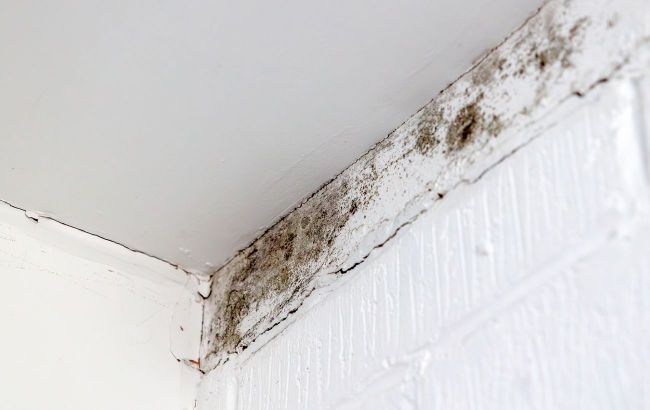 Hidden mold locations in the home identified (photo: Getty Images)
In many homes, mold develops unnoticed. Moisture and poor ventilation create conditions in which fungi can remain hidden for months, gradually spreading to materials that at first glance look clean and dry, according to Southern Living.
Washing machine seals
Washing machine seals can secretly accumulate mold. The problem most often occurs in front-loading machines, where a rubber gasket with folds surrounds the door opening.
After washing, water, detergent residue, lint, and dirt often remain in these folds. Constant moisture inside creates an ideal environment for the growth of mold and bacteria.
The first signs are usually a musty smell from the drum or an unpleasant odor on freshly washed clothes. Over time, black, gray, or greenish stains may appear on the rubber, along with a slimy film or dark spots.
The problem develops especially quickly if you frequently wash at low temperatures, always keep the door closed after washing, or use too much fabric softener.
To check the seal, you should gently pull back the rubber and inspect the inner folds, especially at the bottom of the door opening.
Dirty laundry
Dirty laundry can indeed contain hidden mold, especially if it is left damp for a long time or stored in a poorly ventilated place.
When clothes remain damp from sweat or are placed in a closed basket or bag, conditions for fungal growth are created. Mold is not always visible immediately — in the early stages, there may only be microscopic spores without visible stains.
Sometimes the only sign is a characteristic musty smell, which appears before any visible changes.
Mold develops fastest in warm and humid conditions, especially if laundry is stored without airflow. Over time, this can lead to dark or greenish stains, but in the early stages the clothing may still look normal.
Basement carpet
Basements usually have high humidity, poor ventilation, and possible leaks or condensation. In such conditions, moisture easily accumulates in carpets, especially in the lower layers and backing. This creates an ideal environment for mold growth.
The problem is that mold often develops not on the surface, but inside the material or between the carpet and the floor. Therefore, the carpet may look fine externally while affected areas are already present inside.
The most common signs of hidden mold are a persistent musty smell that does not disappear after airing, the appearance of dark or greenish spots, and a damp feeling in the room.
Bathroom corners
Mold can accumulate in bathroom corners and is not always immediately noticeable. It often develops in tile joints, under sealant, behind plumbing fixtures, or in areas where moisture lingers and ventilation is poor.
Externally, it may appear as dark spots or slight discoloration, but sometimes it spreads inside materials and becomes visible only over time.
The cause is usually high humidity, insufficient ventilation, and constant condensation after showers or baths. If the problem is not addressed, mold can gradually spread and worsen the condition of the room, as well as cause an unpleasant odor.
If you notice mold in corners, spray vinegar on the area and leave it for 30 minutes before wiping it with a microfiber cloth, then dry it with a clean towel.
Books
Mold on books appears when they are stored in a humid environment for a long time. Paper is made of cellulose, an organic material that retains moisture well and can become a breeding ground for fungi.
This most often happens in rooms with poor ventilation, high humidity, after leaks, or when books are stored in closed cabinets near cold walls.
The problem is that mold is not always visible immediately. It may develop inside the book block or between pages, and externally only a faint musty smell may appear.
Over time, stains of different colors may appear — gray, greenish, black, or white — and pages may start to stick together or become deformed.