Models from Kyiv, Gates, and Trump: What secrets of global elite new Epstein files reveal


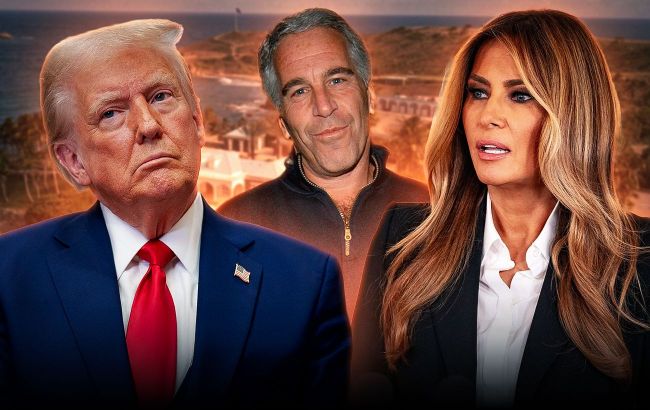 Donald Trump, Jeffrey Epstein, and Melania Trump (collage by RBC-Ukraine)
Another batch of the Epstein files has shed light on the dark side of the global elite’s lives. The US Department of Justice has released over 3 million files related to the case of the American billionaire pedophile.
RBC-Ukraine explains who appears in the files, what they reveal about Ukraine, and how Epstein might have been connected to Russian intelligence.
Read also: How Epstein files divide Trump and his most die-hard fans.
Key points:
-
New Epstein files: documents reveal the financier’s extensive contacts with the global elite
-
Case overview: Epstein was accused of running a human trafficking network; he died in prison in 2019
-
Network geography: the documents mention women from Russia, Ukraine, Belarus, the EU, and Africa
-
Ukrainian connection: Lviv, Kyiv, and Odesa are referenced in the files
-
Russian focus: Russia was a key element of Epstein’s network, which may have been used for "honey traps" and kompromat.
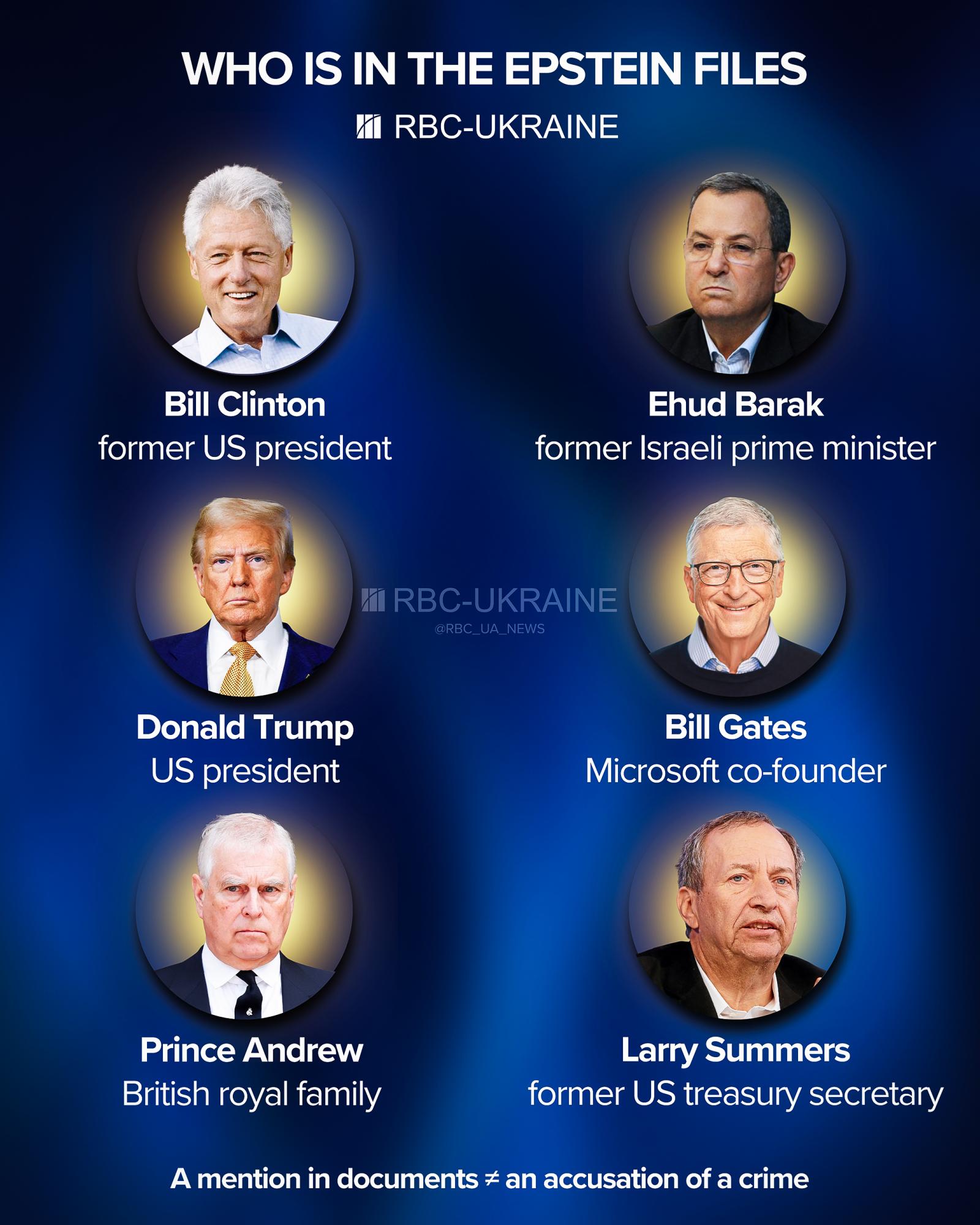
Epstein case figures (Infographic: RBC-Ukraine)
"Epstein introduced Melania to Donald Trump" – this is an interesting, but probably the most innocuous detail about the US president and his wife, as well as other members of the global establishment.
The newly released files include the names of dozens of well-known figures. Among them are former US President Bill Clinton, British Prince Andrew, former Israeli Prime Minister Ehud Barak, former US Treasury Secretary Larry Summers, billionaire and Microsoft co-founder Bill Gates, and other financiers, politicians, and businessmen from the US and Europe.
Jeffrey Epstein was an American financier and billionaire accused of running a long-standing human trafficking network, including involving minors. He was arrested in 2019 but later died in prison. The official cause of death was ruled a suicide, though many speculations remain. Despite the scandal, the case materials were long kept confidential, which Trump leveraged ahead of the presidential election. He promised to release them, but, once in office, delayed the process in every possible way. This angered a significant portion of supporters who believed the Epstein files contained kompromat on the entire US elite.
As a result, Democrats and Republicans in Congress jointly pressured the US Department of Justice to make the case materials public.
The mere mention of someone’s name in the files does not mean they were involved in any crime. However, it does indicate the extremely broad scope of Epstein’s contacts.
Melania Trump, originally from Slovenia, came to the US as a model in 1996. Two years later, she met her future husband. The files contain no sordid details about her. However, according to the documents, Epstein ran a whole network recruiting women and girls for sexual services with similar backgrounds, including from Ukraine.
The Epstein files include photos of passports, visas, and other documents belonging to women from Russia, Ukraine, Lithuania, Czechia, as well as Morocco, Italy, and South Africa. These were seized from the billionaire’s estate.
The passports were accompanied by descriptions: age, height, measurements, weight, visa status for the EU and US. All of this was accompanied by text notes such as "$1000 per girl."
Financial records in the files indicate over 4,700 transactions between 2003 and 2007 – mostly payments to women from Russia, Belarus, and Turkmenistan.
What the files say about Ukraine
In 2017, the files include extensive correspondence between Epstein, Ukrainian art dealer Anastasiia Sirouchenko, her accountant Michael Stein, and realtor John Tomlinson.
The discussions concern an old house at 24 Borys Romanetsky Street in Lviv, purchased in 2015 by Anastasiia’s mother, Tetiana Sirouchenko, for $128,500 from a Ukrainian living in Poland, Olha Kravchuk.
The emails discuss potential uses for the building. One option mentioned is a Pilates studio run by Anastasiia’s mother. Epstein describes Olha Kravchuk as a "criminal type" and asks whether she has fled Ukraine.
In 2015, Anastasiia transferred $400,000: part went toward buying the house, and nearly $200,000 was invested in the company Curation Media.
The correspondence includes details about fund transfers and tax matters (for example, whether it counts as a gift from her mother, which could trigger additional taxes). After this, accountant Stein even refuses further involvement in the investments.
Lviv also appears occasionally in other contexts, including when booking tickets for a woman traveling Istanbul–Paris–Lviv.
Kyiv and Odesa are mentioned as well, mostly in connection with the modeling industry and logistics for women’s travel.
The Epstein files contain 2012–2013 correspondence about at least two Kyiv modeling agencies: Linea 12 Models and L-Models. In one email, Epstein is told these agencies are the "best" in Kyiv, while others are "cheap escort."
Epstein is given the contact of Yulia Kyselova, who "has about 400 girls for modeling and bridal agencies in Kyiv" – presented as a recommendation for "supplying" girls.
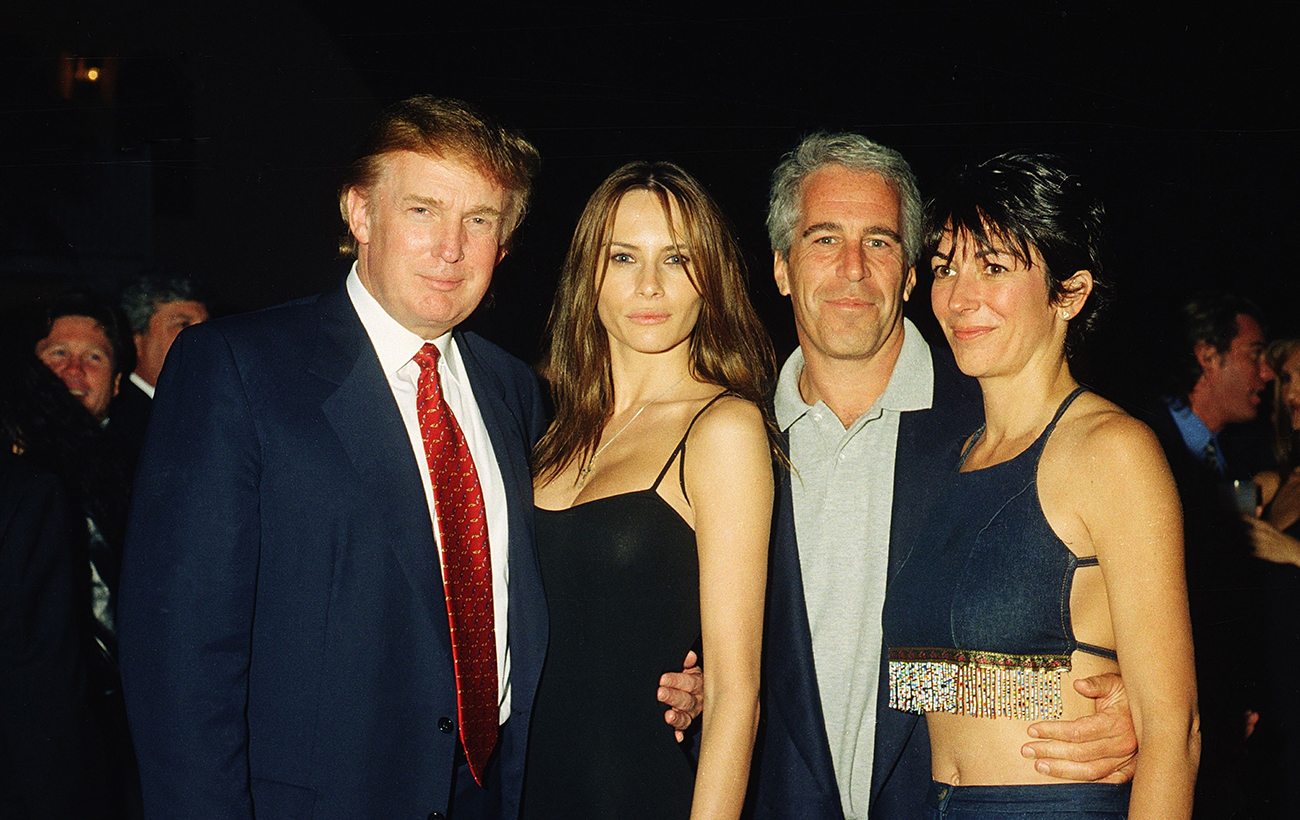
Donald Trump, Melania Trump, Jeffrey Epstein, and his associate Ghislaine Maxwell (photo: Getty Images)
The files also mention the Hyatt Regency Kyiv. In 2012, Epstein’s assistant Lesley Groff coordinated room bookings through Thomas Pritzker, the owner of Hyatt, allegedly for individuals connected to the modeling industry.
Odesa appears in emails regarding flight planning, visas, and transfers to Europe and the US. In August 2018, Groff coordinated trips listing the city as either a departure or destination point.
Russian connection
In Epstein’s network, Ukraine, as seen in the documents, played a secondary role. Russia, however, was central. Epstein actively brought women from Russia, using contacts in the modeling industry and ties to criminal networks.
Among other things, the files include emails in which he offers British Prince Andrew a 26-year-old Russian woman for dinner, described as "smart, beautiful, reliable." The documents contain many details about organizing flights, obtaining visas, and arranging accommodations for Russian women.
At the same time, Epstein’s network may have been used by Russian intelligence for special operations. Sources cited by the Daily Mail from British intelligence believe Epstein ran "the world’s largest 'honey trap' operation."
This involved creating kompromat on government officials and businesspeople, gathering information, and establishing direct contacts for future cooperation.
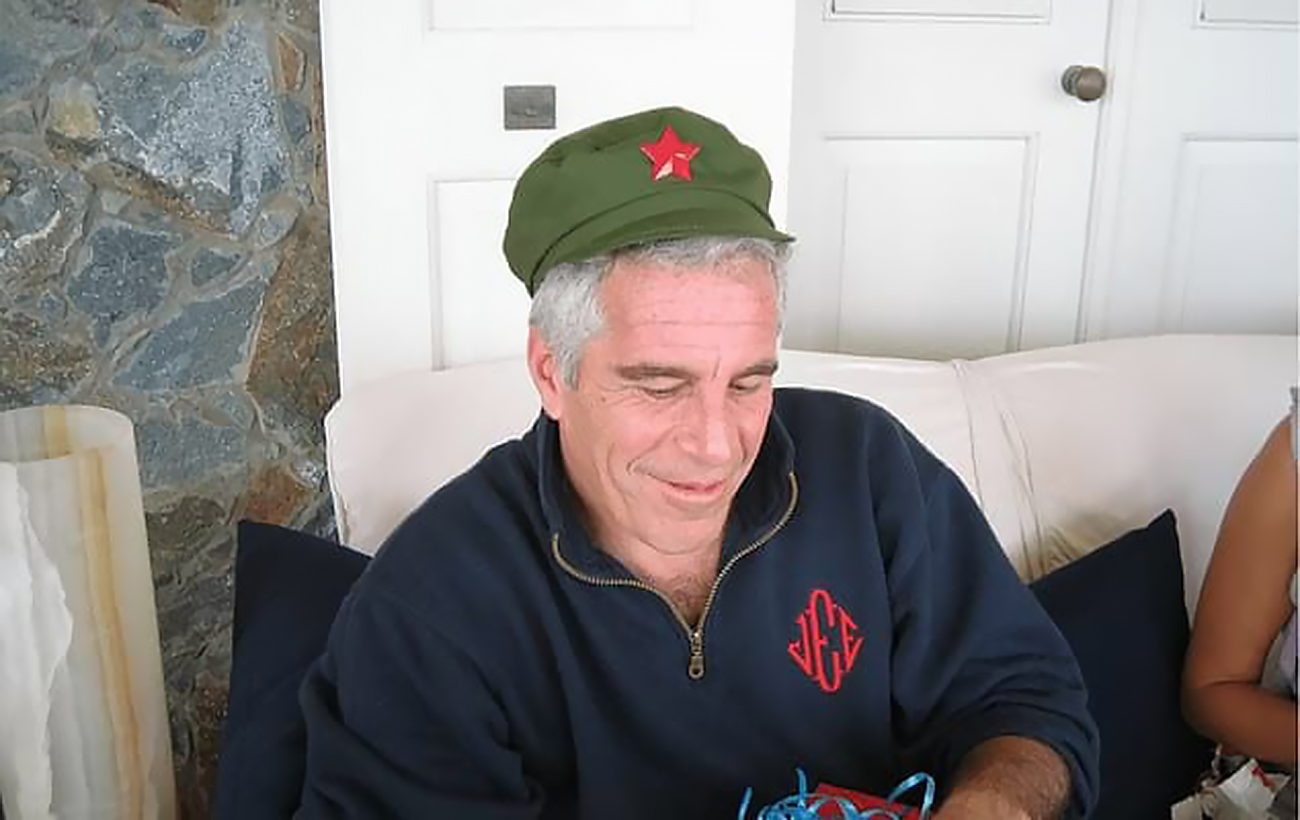
Jeffrey Epstein wearing a hat with Soviet symbols (photo: Getty Images)
The released files don’t answer all questions, but they demonstrate the scale and geographic reach of the network Epstein built over the years. They also show how closely this system was intertwined with the worlds of finance, politics, and the modeling industry. In the Ukrainian context, the key question remains: what leverage did — or does — Russia have over Epstein’s associates?
This might be of interest:
-
Which well-known global leaders and businessmen are mentioned in the documents?
The files include former US President Bill Clinton, British Prince Andrew, former Israeli Prime Minister Ehud Barak, Microsoft founder Bill Gates, and former US Treasury Secretary Larry Summers. -
Which property in Lviv appears in Epstein’s correspondence?
An old house at 24 Borys Romanetsky Street. It was purchased in 2015 by Tetiana Sirouchenko (mother of art dealer Anastasiia Sirouchenko). Epstein discussed potential uses for the building, including opening a Pilates studio. -
How is Kyiv mentioned in the context of Epstein’s network?
Kyiv mainly appears in connection with the modeling industry. The files include correspondence about Kyiv agencies Linea 12 Models and L-Models, as well as Yulia Kyselova, who had contacts with hundreds of girls for modeling and bridal agencies. There are also mentions of room bookings at the Hyatt Regency Kyiv. -
What do British intelligence sources say about Epstein’s activities?
Intelligence sources suggest Epstein may have run "the world’s largest 'honey trap' operation," using women to create kompromat on influential politicians and businessmen, potentially exploited by Russian intelligence.
Sources: materials from The New York Times, The Washington Post, Kyiv Independent, and Daily Mail.