Merz hints at trouble for Orban over blocking Ukraine funds

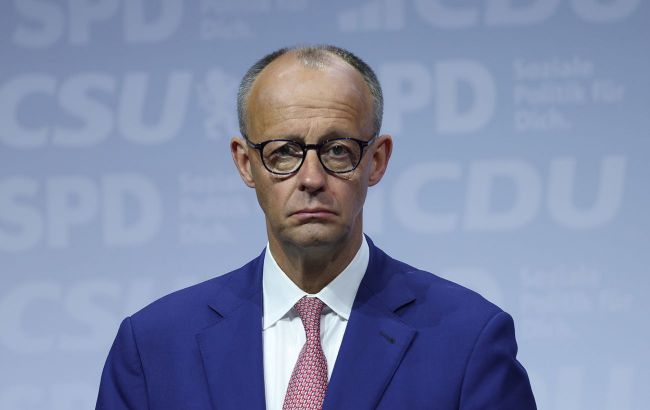 German Chancellor Friedrich Merz (Photo: Getty Images)
German Chancellor Friedrich Merz hinted that the pro-Russian Hungarian Prime Minister Viktor Orbán will face major trouble for blocking the loan to Ukraine, as Orbán violated loyalty to the European Union, according to Merz's statement during a briefing on March 20.
Merz called Orbán's actions a gross breach of loyalty to the EU, since member states are obliged to support one another and agreed that we can rely on each other's word. What Orbán did undermines some of the bloc's principles.
"This is a gross violation of loyalty between member states and damages the capacity to act and the reputation of the European Union as a whole," Merz said.
Merz also confirmed that the European Commission has been tasked with examining additional options for providing Ukraine with the promised funding. The chancellor expressed hope that the EU would be able to make the payments and that this would happen as quickly as possible. The goal, he said, remains unchanged: two-thirds for military equipment and one-third for civilian equipment.
As for the trouble awaiting Orbán, Merz assured that he would definitely raise the issue of the Hungarian prime minister's actions during the budget consultations. The EU will not leave its actions unpunished.
"We agree that what happened in the European Council is not something we will accept. And this will have consequences that go far beyond this single event... When the budget process begins, along with everything that follows from it, we will have to have a fundamental discussion on this issue again," he promised.
Orbán has nearly overplayed his hand
Before the summit, Merz called on the European Union to urgently unlock financial aid for Ukraine totaling €90 billion. However, all efforts by EU countries were in vain: they failed to persuade Orbán to lift his veto.
Orbán took advantage of the damage to the Druzhba oil pipeline in January to block the loan for Ukraine. This constitutes a breach of his own word given to EU leaders, and at the same time serves as a convenient pretext for his election campaign.
But it seems that this time the Hungarian prime minister may have finally overplayed his hand. EU members have not only criticized Orbán but are also openly hinting that they do not intend to forgive Budapest for its sabotage.
Sweden, for example, has already openly stated its readiness to consider Article 7 of the EU Treaty — a mechanism to strip Hungary of its voting rights. European Council President António Costa went so far as to call the Hungarian prime minister's behavior unacceptable.