Merz doubts Russia's willingness for peace in Ukraine and calls for tougher sanctions

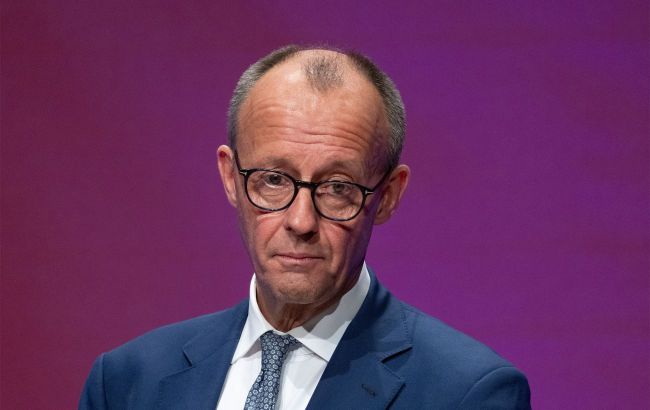 Photo: German Chancellor Friedrich Merz (Getty Images)
Germany is highly skeptical that Russia is truly willing to agree to a ceasefire and a peaceful settlement of the war in Ukraine. The actions of the Kremlin prove otherwise, stated German Chancellor Friedrich Merz during a joint briefing with Lithuanian Prime Minister Inga Ruginienė in Berlin.
Merz noted that Russia is currently committing "daily war crimes" in Ukraine. The Kremlin continues attacks on Ukraine’s civilian and energy infrastructure.
"We also see indiscriminate bombing of Ukraine’s entire civilian infrastructure, especially its energy sector… These are daily war crimes committed by Russia against Ukraine and its people," he said.
Merz added that he and his Lithuanian counterpart are equally skeptical that Russia is genuinely ready first to agree to a ceasefire and then to a peaceful resolution.
This means that Ukraine’s allies must continue to maintain pressure on the Kremlin, uphold sanctions, and strengthen them until Russia is forced to agree to a peaceful settlement in Ukraine.
"The key to ending the war has been in Moscow for four years… The price Moscow has to pay for this war, including the economic cost, will continue to rise week by week and month by month," Merz summarized.
Earlier, Merz rejected calls from pro-Russian forces in the Bundestag to hold direct talks with Russian leader Vladimir Putin about the war in Ukraine, stating that this is a matter between Ukraine and Russia.
Meanwhile, France announced that the new EU sanctions package against Russia is expected to block the Russian shadow fleet. This aligns with Ukraine’s position, which believes that a strike on the shadow fleet and on Russian oil trading could pressure the Kremlin into action.