Melon vs. watermelon: Which summer fruit is healthier choice?

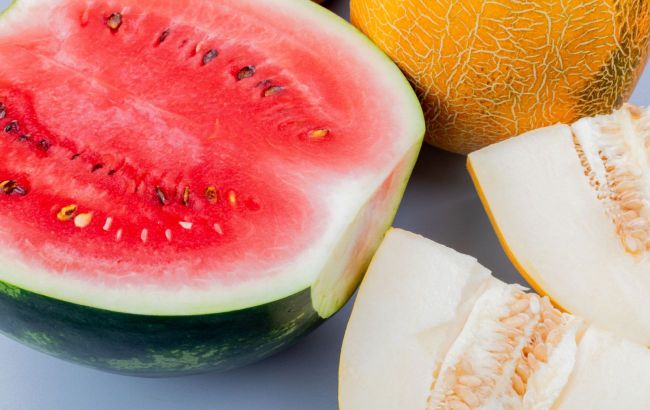 What's healthier: Watermelon or melon? (Photo: Magnific)
Watermelon and melon are among the most popular fruits of summer. Although they may seem similar, they differ in nutritional value, sugar content, and health benefits, according to EatingWell.
How watermelon affects blood sugar
Natural sugars. Watermelon can raise blood sugar because it contains natural sugars and its carbohydrates are absorbed relatively quickly.
However, one cup of diced watermelon is about 91% water and contains only 11 grams of carbohydrates. This is why watermelon has a relatively high glycemic index but a low glycemic load.
Because it is mostly water and contains relatively few carbohydrates per serving, watermelon has a minimal overall effect on blood sugar when eaten in typical portions.
Rich in lycopene. One cup of diced watermelon provides 6,890 micrograms of lycopene, an antioxidant responsible for its bright red color.
A study published in Annals of Medicine found that higher lycopene intake may be associated with healthier fasting blood sugar levels and improved hemoglobin A1c in people with diabetes.
A source of potassium. Watermelon also contains potassium, a mineral essential for the proper function of the heart, muscles, and nervous system.
Potassium helps maintain fluid balance and supports healthy blood pressure. Although watermelon is not the richest source of potassium, it still contributes to your daily intake.
Benefits of melon
Contains carbohydrates. Like watermelon, melon contains carbohydrates that are broken down into glucose and can raise blood sugar during digestion. However, one cup of diced melon is about 93% water, provides 12 grams of carbohydrates, and contains about 1.5 grams of fiber.
Its high water and fiber content can slow digestion and promote a steadier rise in blood sugar. Because melon contains relatively few carbohydrates per serving, it also has a low glycemic load.
High in vitamin C. One cup of diced melon contains 57 milligrams of vitamin C, providing about 76% of the recommended daily intake for women and 63% for men.
Vitamin C is an important antioxidant that has been linked to healthier hemoglobin A1c levels and improved glucose metabolism.
Which is healthier?
Melon may have a slight advantage when it comes to blood sugar because it contains nearly twice as much fiber as watermelon, while watermelon has a slightly higher glycemic index.
If your goal is to stay hydrated and enjoy a low-calorie snack, watermelon is the better choice.
If you want more vitamins and minerals, especially vitamins A and C, melon is the better option.
The healthiest approach is to enjoy both fruits regularly, alternating between them to benefit from their different nutrients.
The healthiest way to eat them
Pairing watermelon or melon with protein, healthy fats or extra fiber helps slow digestion and often leads to a more stable blood sugar response.
Portion size also matters. Sticking to the recommended serving of one cup can help keep your carbohydrate intake under control.
For a more balanced snack or meal, enjoy watermelon or melon with foods such as Greek yogurt, cheese, eggs or nuts.
This material is for informational purposes only and should not be used for medical diagnosis or self-treatment. Our goal is to provide readers with accurate information about symptoms, causes, and methods of detecting diseases. RBС-Ukraine is not responsible for any diagnoses that readers may make based on materials from the resource. We do not recommend self-treatment and advise consulting a doctor in case of any health concerns.