Think watermelon is always healthy? Not for these people

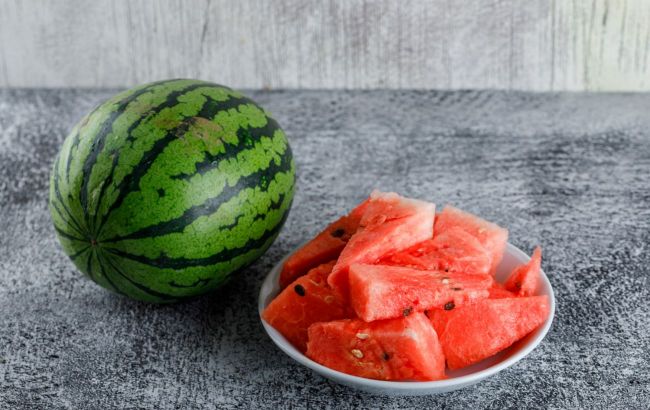 In which cases can watermelon harm the body? (photo: magnific)
Watermelon is one of the most popular summer fruits, but in some cases, its consumption can harm your health. Who should be careful and what rules should be followed when choosing and consuming this seasonal berry – read below, according to the Health website.
Nutrient content
One cup of cubed watermelon contains the following nutrients:
- Calories – 46
- Fat – 0.23 g
- Sodium – 1.52 mg
- Carbohydrates – 11.5 g
- Fiber – 0.61 g
- Added sugar – 9.42 g
- Protein – 0.93 g
Watermelon also contains vitamins A and C, potassium, magnesium, antioxidants, and B vitamins.
Risks of frequent consumption
Watermelon is a safe fruit that can be consumed in moderate amounts. However, people with certain health conditions should be cautious with watermelon. These conditions include:
- Diabetes – watermelon contains natural sugars and has a high glycemic index, although its glycemic load with a moderate portion is not high. It is generally recommended not to overeat and to coordinate portion size with a doctor or dietitian.
- Severe kidney disease – watermelon is rich in water and potassium. If the kidneys do not excrete potassium well or if a doctor has prescribed fluid restriction, a large amount of watermelon may be undesirable.
- People with heart failure – due to its high water content, excessive consumption of watermelon may exceed the recommended fluid volume.
- Digestive problems – in some people, watermelon can cause bloating, abdominal pain, or diarrhea due to its FODMAP carbohydrate content.
- Allergy to watermelon or other cucurbits (pumpkin family) – possible itching, rashes, or swelling after consumption.
Also, even healthy people should not eat very large portions at one time – this can cause stomach discomfort or diarrhea.
For most healthy adults, 1–2 slices (approximately 200–300 g at a time) is a completely safe portion.
How to add It to your diet
At a grocery store or farmers' market, look for a round, symmetrical watermelon with a yellow or creamy spot to ensure it is ripe. Be sure to wash the watermelon before cutting to remove any bacteria on the outer rind.
Since watermelon is so versatile, you can add it to your diet in various ways:
- Fresh – in wedges or cubes
- In salads – with feta or brined cheese, mint, arugula, cucumber
- Desserts
- Hot dishes – watermelon can be sautéed or grilled – the flesh becomes denser and takes on a caramelized flavor
- Preserving – pickled white part of the rind, rind jam
Benefits of eating watermelon
Hydration. Watermelon consists of approximately 95% water. Consuming enough fluids, including water-rich foods, has several health benefits, such as:
- Lubricating joints
- Preventing dehydration-related fatigue
- Protecting the spinal cord
- Regulating body temperature
Increasing levels of disease-fighting antioxidants. Watermelon is one of the best sources of lycopene, an antioxidant known for its ability to fight free radicals that damage cells.
To consume more lycopene, choose traditional watermelon with pink flesh, which contains more antioxidants.
Improving blood pressure and blood flow. L-citrulline is an amino acid found in watermelon, especially in the white part of the rind. It helps relax blood vessels and improves blood flow, which can lower blood pressure.
This amino acid can also improve muscle oxygen supply and athletic performance during endurance training.
Benefits for the skin. Watermelon can help keep your skin healthy due to its content of vitamins C and A. The lycopene content in the fruit may also protect against sun damage.
This material is for informational purposes only and should not be used for medical diagnosis or self-treatment. Our goal is to provide readers with accurate information about symptoms, causes, and methods of detecting diseases. RBС-Ukraine is not responsible for any diagnoses that readers may make based on materials from the resource. We do not recommend self-treatment and advise consulting a doctor in case of any health concerns.