Masquerades and wine galore: What is Purim and when it’s celebrated

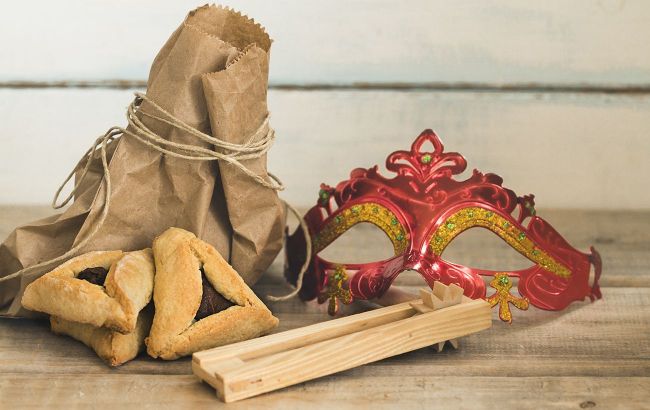 Purim 2026 dates and why hamantaschen are a must (photo: Getty Images)
Purim is the most joyful and unusual holiday in the Jewish calendar. It commemorates the salvation of the Jewish people from extermination in the Persian Empire over 2,400 years ago. It’s a day when even the most serious people wear masks, and traditions encourage festivities without limits.
RBC-Ukraine explains when Purim will be celebrated in 2026, its main prohibitions, mystical traditions, and the story of the people’s salvation.
When Purim is celebrated in 2026
Jewish holidays follow the lunar calendar, so the dates change each year. In 2026, Purim begins at sunset on Monday, March 2, and lasts until the evening of Tuesday, March 3.
In Jerusalem and some other ancient cities, Shushan Purim is celebrated a day later, on March 4.
On the eve of the holiday, March 1, believers typically observe the “Fast of Esther,” remembering the three-day fast declared by the queen before appealing to the king to save her people.
History and significance
The word “Purim” comes from the Persian “pur,” meaning “lot.” It was through casting lots that the treacherous Haman, advisor to Persian King Ahasuerus, chose the date to destroy all Jews in the empire.
Haman’s plans were foiled by Queen Esther and her cousin Mordechai.
By hiding her identity, Esther convinced the king to spare her people and punish Haman. In the end, the lot backfired on Haman—he was executed, and the Jews were allowed to defend themselves. That’s why Purim is a celebration of victory over fatalism and destiny.
Main Purim traditions
There are four key commandments to follow on this day:
-
Reading the Scroll of Esther
In synagogues, the story of the Jews’ salvation is read twice. Every time Haman’s name is mentioned, the congregation makes a loud noise, stomping and using noisemakers, to symbolically erase the villain’s name. -
Festive meal (Seudat Purim)
A joyful and generous feast. Tradition encourages drinking enough wine so that one cannot distinguish the phrase “cursed Haman” from “blessed Mordechai.” -
Sending food gifts (Mishloach Manot)
At least one gift containing a minimum of two types of ready-to-eat food (e.g., wine and cookies) must be sent to a friend or acquaintance, strengthening community bonds. -
Charity to the poor (Matanot La’Evyonim)
Every person must give to at least two needy individuals. This can be money, food, or clothing.
What must be on the table
The main Purim treat is “Haman’s ears” (hamantaschen), triangular pastries with sweet fillings (poppy seeds, nuts, jam), symbolizing either Haman’s ears or his triangular hat. Other dishes include festive challah and meat dishes representing the wealth of the royal feast.
Main prohibitions of the day
-
Sorrow and mourning: Fasting or lamenting the dead is strictly forbidden. Purim is a day of pure joy.
-
Work: While not religiously prohibited, tradition discourages routine tasks to fully dedicate oneself to celebration.
-
Refusal to help: One must not refuse anyone asking for charity on this day.
Mystical signs and symbols
-
Carnival: Wearing masks and costumes symbolizes God acting secretly (“disguised” as coincidences). In modern Israel, Purim parades allow men to dress in women’s clothing and women in men’s.
Children especially love Purim because of the carnival and theatrical performances.