Magyar annuls one of Orbán’s controversial decisions

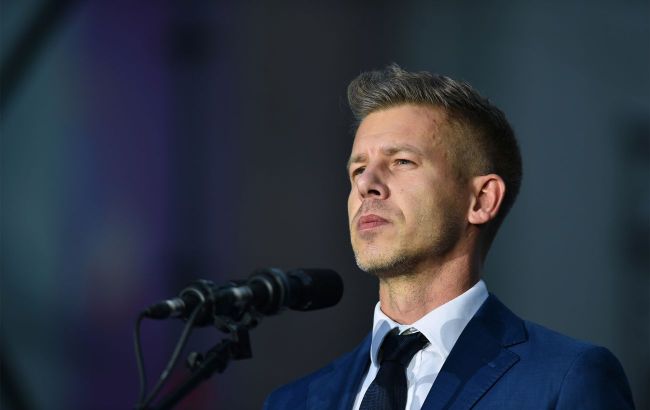 Photo: Hungarian Prime Minister Péter Magyar (Getty Images)
The Hungarian government has officially abandoned its previous plans to withdraw from the jurisdiction of the International Criminal Court (ICC), according to a statement by Hungarian Prime Minister Péter Magyar.
Details of the decision
According to Péter Magyar, the country’s current government has decided to withdraw its intention to leave the International Criminal Court (ICC).
"The government is withdrawing Hungary’s intention to leave the International Criminal Court," Magyar emphasized.
Hungary’s withdrawal from the ICC
Earlier, the Hungarian parliament supported a decision to withdraw the country from the ICC.
According to former Foreign Minister Péter Szijjártó, this step meant that Budapest was refusing to participate in the work of an institution it considers politicized.
However, the adopted measure never entered into force. Under Article 127 of the Rome Statute, the procedure for a state’s withdrawal from the court is only completed one year after the relevant notification is received by the UN Secretary-General.
During this period, Budapest remained obliged to cooperate with the ICC.
Criticism of the ICC by Hungary
Official Budapest had previously strongly criticized the International Criminal Court (ICC) over the issuance of arrest warrants for Israeli Prime Minister Benjamin Netanyahu and former Defense Minister Yoav Gallant, whom the court suspects of war crimes in the Gaza Strip.
Former Hungarian Prime Minister Viktor Orbán publicly stated that the country would not comply with this decision by the international body.
ICC arrest warrants for Putin and Russia’s position
In 2023, the International Criminal Court in The Hague issued official arrest warrants for Russian President Vladimir Putin, as well as several other senior officials of the aggressor state, over war crimes committed in Ukraine.
In response, at the end of 2025, Russia issued so-called "sentences" against ICC judges and prosecutors over the arrest warrant for Putin, attempting to stage a trial in absentia against representatives of international justice.
In addition, in an attempt to legally shield himself from The Hague’s decisions, the head of the Kremlin signed a law prohibiting the enforcement in Russia of any rulings issued by foreign institutions without the participation of Russian representatives.
Despite Moscow’s attempts to avoid accountability, The Hague stresses the inevitability of punishment. In particular, the court has made it clear that even a potential peace agreement between states or a suspension of proceedings over time would not fully annul criminal cases.
At the same time, for effective investigation of Russian crimes and bringing cases to completion, international justice requires staffing reinforcement from Kyiv. On why the court in The Hague critically needs Ukrainian analysts, translators, and OSINT specialists.