Loneliness and home isolation: Why it can be more dangerous than you think

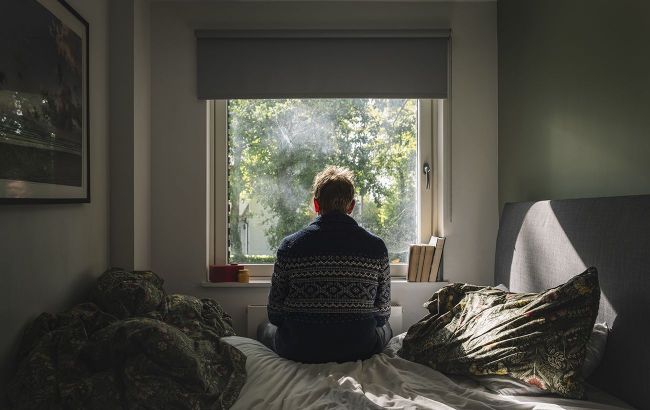 Why isolating yourself at home and lack of communication are seriously harming you (photo: Getty Images)
In today’s world, the line between home and work has almost disappeared, while meetings with friends are increasingly being replaced by messaging apps. At first glance, this may seem safe and comfortable, but our psyche strongly disagrees. Constantly staying in a closed space triggers deep processes that can quietly damage emotional health.
Why isolating yourself within four walls can be dangerous and how it may affect your mental state was explained in by Master of Psychology and psychotherapist Nataliia Harina.
Self-isolation or a silent cage: why we get used to loneliness
Long periods spent at home and reduced social contact have become common for many people.
This lifestyle can have both short-term and long-term consequences for mental health. So why do we voluntarily lock ourselves at home?
“The main reasons are remote work, lifestyle changes, increased anxiety, or simply getting used to isolation. Over time, a person adapts to fewer interactions, and returning to an active social life becomes more difficult,” Nataliia Harina explains.
How lack of communication affects the psyche and thinking
Humans are social beings, and the absence of “live” feedback from the world does not go unnoticed. The specialist highlights several levels of impact from this condition.
Emotional impact
Limited communication reduces emotional support. This can lead to feelings of loneliness, lower mood, and increased anxiety. In some cases, apathy or loss of interest in usual activities may appear.
Impact on thinking and behavior
Without regular communication, social experience narrows. A person may become more fixated on their own thoughts, which intensifies negative scenarios and inner tension. Motivation for activities outside the home also decreases.
Physical consequences
Psychological discomfort is often reinforced by physical factors. When our world shrinks to the size of an apartment, the body begins sending distress signals.
“A sedentary lifestyle and lack of fresh air affect energy levels, sleep, and overall well-being. This further worsens the emotional condition,” the expert explains.
What helps reduce the negative impact
Even if you feel like you have forgotten how to communicate, there is a way out. Nataliia Harina recommends acting gradually and not expecting instant results from yourself.
Physical activity
“Specialists recommend gradually restoring social contacts, even in minimal formats. Regular walks, physical activity, and maintaining at least a few stable relationships are important,” the psychologist advises.
The main rule of balance
Maintain a balance between time spent alone and time with other people — this is the foundation of mental well-being.
“Even if you do not feel like being around people, make minimal efforts, and over time you will feel better,” Nataliia Harina concludes.