Your liver can heal itself: Doctor explains key daily habits

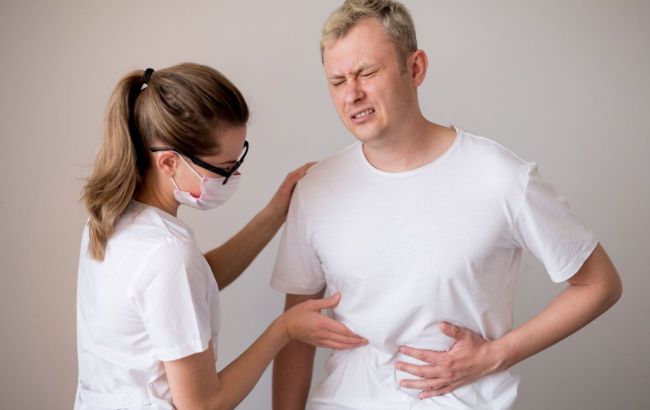 Doctor names beneficial habits for liver health (photo: Freepik)
The liver can regenerate itself, but only under certain conditions. Experts have identified key habits and daily decisions that can significantly improve its condition and prevent serious disorders, according to Professor and nutritionist Oleh Shvets.
What to do to keep your liver healthy
The liver is a vital organ responsible for many essential functions, from detoxification to metabolism and synthesis. Most liver diseases are linked to lifestyle, meaning their risks can be managed.
Below are key recommendations to help maintain the health of this important digestive organ and the body as a whole.
Drink coffee
According to the doctor, drinking several cups of coffee per day is associated with a reduced risk of liver diseases, including fibrosis, cirrhosis, and even cancer.
Coffee may also slow the progression of existing liver conditions. However, it does not replace a balanced diet, healthy body weight, adequate hydration, and physical activity.
Be careful with paracetamol
Paracetamol (acetaminophen) is found in more than 600 medications, including many cold and flu remedies. The maximum recommended dose for adults is 4,000 mg per day.
Even smaller amounts can already harm the liver.
Practice safe sex
Some sexually transmitted infections, including hepatitis B and C viruses, directly affect the liver and can cause serious damage over time.
Take medications responsibly
Some drugs may negatively affect the liver depending on individual sensitivity, interactions, diet, and improper use.
These include statins for lowering cholesterol and certain antibiotics (amoxicillin, clindamycin, erythromycin). If you experience fatigue, nausea, itching, or yellowing of the skin or eyes (jaundice) after starting medication, consult a doctor.
Check dietary supplements carefully
Supplements account for a significant share of liver injury cases. Plants such as borage (Borago officinalis), comfrey, and coltsfoot contain pyrrolizidine alkaloids that may block small blood vessels in the liver, especially in high doses.
Other herbs such as Atractylis gummifera, celandine, and pennyroyal oil may also cause liver problems.
Be cautious with herbal supplements
The effectiveness of common hepatoprotective supplements such as milk thistle, turmeric, and astragalus is not fully scientifically proven.
Many herbal supplements have documented side effects, including serious liver dysfunction.
Avoid or limit alcohol
After alcohol consumption, the liver temporarily stops other functions to process and eliminate it from the bloodstream. Excessive alcohol intake overloads the liver and can damage it.
Eat a balanced diet
Eat fruits and vegetables of all colors daily to provide essential nutrients and fiber.
Avoid refined carbohydrates (pastries and white bread), preferring whole grains. Meat and dairy should be consumed in moderation. Healthy fats should come from nuts, seeds, fish, and vegetable oils.
Maintain a healthy body weight
Body mass index (BMI) should be between 18 and 25 kg/m². Exercise and balanced nutrition are the best ways to maintain a healthy weight and reduce the risk of fatty liver disease.
A condition involving excess fat and low muscle mass (sarcopenic obesity) also increases metabolic risks, including metabolic dysfunction-associated fatty liver disease and steatohepatitis, the doctor noted.
Wash your hands
This is the simplest way to protect yourself from germs and infections harmful to the liver. Use soap and warm water, especially before preparing food and after using the restroom.
Stay physically active
Regular exercise helps maintain a healthy BMI and reduces many health risks.
Physical activity also improves insulin sensitivity and helps burn triglycerides. Even small changes like walking more or using stairs are beneficial.
Avoid toxins
Household cleaners, aerosol sprays, and insecticides may contain chemicals that can damage liver cells when inhaled or absorbed in large amounts.
Use protective masks and eyewear, and ensure good ventilation.
Monitor risks
Hepatitis C can be transmitted through blood. High-risk groups include people who use injectable drugs or were exposed to contaminated needles. Infection can also occur during medical or cosmetic procedures.
Check liver health regularly
Regular check-ups are important, especially for people who consume alcohol frequently or have a family history of liver disease.
Blood sugar and cholesterol levels should also be monitored, as elevated levels increase the risk of fatty liver disease.
Vaccination
There is no vaccine for hepatitis C. However, vaccines are available for hepatitis A and hepatitis B.
This material is for informational purposes only and should not be used for medical diagnosis or self-treatment. Our goal is to provide readers with accurate information about symptoms, causes, and methods of detecting diseases. RBС-Ukraine is not responsible for any diagnoses that readers may make based on materials from the resource. We do not recommend self-treatment and advise consulting a doctor in case of any health concerns.