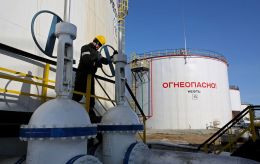
Life in Greenland: Why endless winter doesn’t stop people from being happy

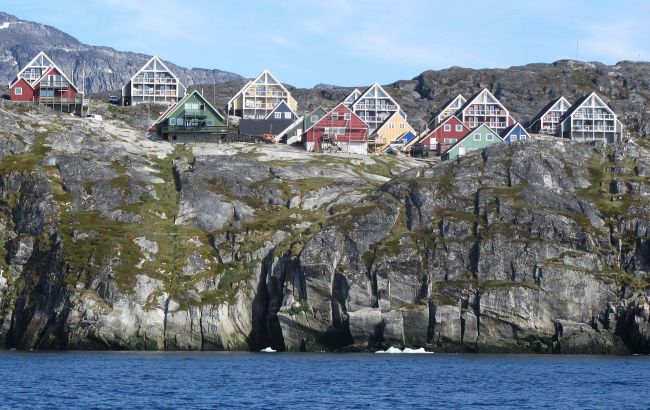 What makes Greenlanders happy (photo: Wikipedia)
Greenland is not just the world’s largest island; it’s also one of the harshest places to live. Yet Greenlanders have managed to turn the icy wilderness into a comfortable home. Their way of life often mirrors the Ukrainian love for nature, resilience, and the ability to find joy in small things.
RBC-Ukraine has compiled the most interesting facts about life on the island, where roads are replaced by ice and taxis by dog sleds.
Life in Greenland is a constant test of resilience. The island is 80% covered by ice, and its population is only 56,000. Yet their customs make you rethink the very idea of comfort.
No roads between towns
This is the fact that surprises Ukrainians the most. In Greenland, you can’t drive from one town to another there simply aren’t any roads connecting settlements. The rocky terrain and permafrost make building highways impossible.
So how do people get around? In summer, they use boats; in winter, snowmobiles or dog sleds. For long-distance travel, helicopters and small planes are used, making aviation in Greenland feel almost like the local equivalent of minibuses.
.jpg)
Traveling by dog sled is a common sight in Greenland (photo: Wikipedia)
Hunting and fishing culture
For Greenlanders, hunting isn’t a hobby but a way of life. They treat natural resources with great respect. You won’t find many vegetarians here, as growing vegetables on rocky terrain is nearly impossible. Their diet mainly consists of seafood, reindeer, and whale meat.
Shared meals. Greenlanders are very hospitable. They have a tradition called kaffemik, where hosts open their doors to anyone, offering coffee and homemade treats to celebrate special occasions.
.jpg) Fishing in Greenland (photo: Wikipedia)
Fishing in Greenland (photo: Wikipedia)
Color-coded houses
You’ve probably seen photos of Greenland’s bright houses. This isn’t just an architectural quirk. Historically, the color of a building indicated its purpose:
-
Red – shops and churches;
-
Yellow – hospitals and pharmacies;
-
Green – communication centers;
-
Blue – fish factories;
-
Black – police stations.
Today, this system isn’t mandatory, but the tradition of bright colors helps fight the gloom of the polar night. Residential houses often don’t follow the rule, so it can get a bit confusing in larger settlements.
Free healthcare and education
Despite the remote location and harsh conditions, social services are well-developed. Healthcare, including dental care, is completely free for all residents of Greenland. Education is also state-funded, and students are often sent to study in Denmark at the government’s expense.
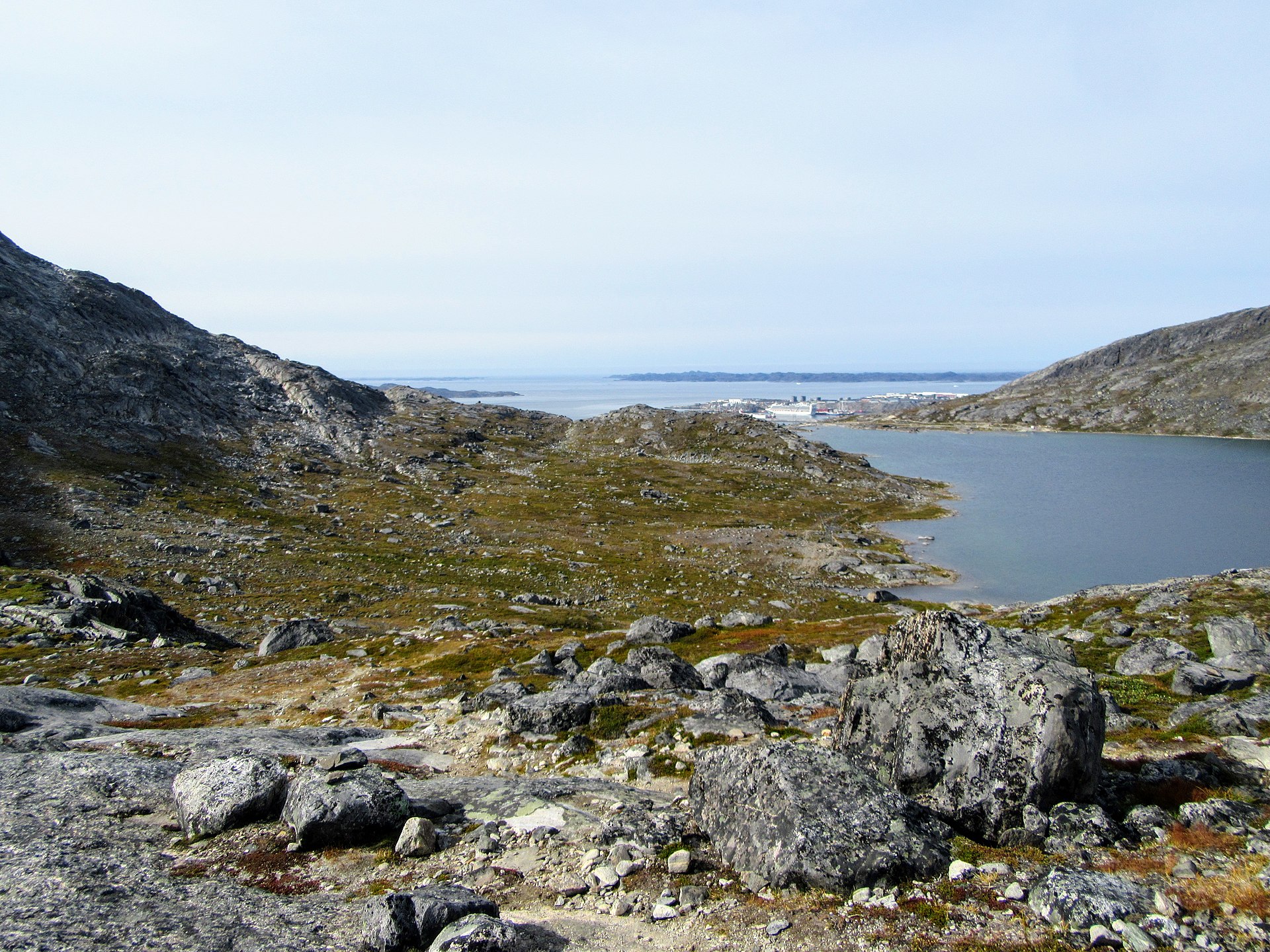 Landscapes of Greenland (photo: Wikipedia)
Greenlanders don’t own land
It’s hard to believe, but in Greenland, you can’t buy a plot of land. All land belongs to the state. If you want to build a house, you receive a permit to use a specific plot, but you don’t become its owner in the usual sense.
Community matters
In small settlements, people help each other not just out of politeness, but as a survival strategy in harsh climates. It’s completely normal to do grocery shopping for a sick neighbor, visit a friend you haven’t seen in a while, or support the whole community if something goes wrong.
Earlier, we wrote about how Scandinavians stay warm in extreme cold.
Sources: Statistics Greenland, Government of Greenland, Visit Greenland