How scandinavians stay warm in extreme cold: Home insulation hacks

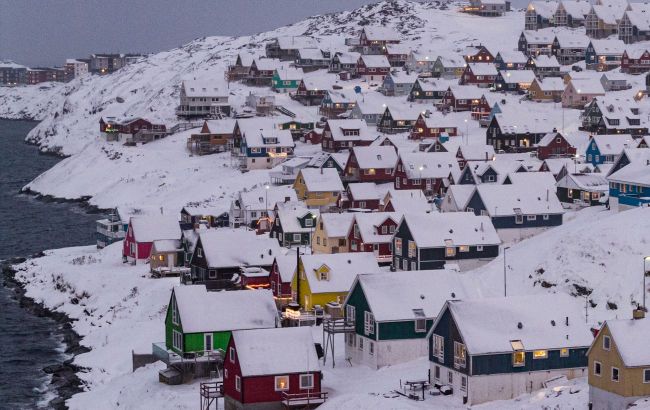 Why scandinavians never freeze in extreme cold
The Scandinavian countries, Sweden, Norway, and Finland, are known for their harsh winters, yet people there stay remarkably comfortable even in freezing conditions. While many of us huddle by heaters, Finns can calmly enjoy a cup of coffee in a light t-shirt when it’s 35°C outside. Their secret isn’t powerful heating but a special philosophy of construction and everyday habits.
RBC‑Ukraine reveals the main Scandinavian tricks that help them beat the cold while significantly saving on utility bills.
For people living in the North, warmth at home is a matter of survival, and they have perfected the art of energy efficiency. Most of their solutions can be easily adapted to Ukrainian conditions.
Triple glazing and window feng shui
Scandinavians never skimp on windows. Most homes have energy-efficient glass units with three, sometimes four, layers of glass, with the spaces between filled with inert gas (argon).
Interestingly, they rarely use heavy curtains. Instead, they apply special thermal films to windows that reflect heat back into the room while letting sunlight in freely.
Ventilation with heat recovery
Ever wondered how much heat escapes through an open window while airing a room? Scandinavian homes use heat-recovery ventilation systems: a device captures the heat from outgoing air and transfers it to the fresh air coming in. This way, you get fresh oxygen without cooling the room.
The hygge mindset and localized warmth
Swedes and Norwegians rarely heat the entire house to 25°C. Instead, they use a zoned heating approach:
-
Natural textiles: Wool blankets, high-pile rugs, and sheepskins are not just decor—they’re excellent insulators.
-
Candles: Scandinavian homes often have dozens of candles. Beyond the cozy atmosphere, a large number of burning candles can raise room temperature by 1–2°C.
Heat pumps: air magic
In Scandinavia, heat pumps are installed in almost every other private home. These devices extract heat even from freezing air or the ground. For every 1 kW of electricity used, a heat pump can deliver 4–5 kW of heat—far more efficient than any electric heater.
Insulation
Scandinavian homes use a variety of insulation materials. The most common is mineral wool, which provides thermal and sound insulation and is fire-resistant. It’s eco-friendly and made from natural or recycled materials.
Polystyrene is also popular because it is lightweight, highly heat-resistant, and moisture-resistant. Foam can fill gaps and cracks for maximum energy efficiency.
Why do they walk barefoot indoors?
The secret is widespread use of underfloor heating. Scandinavians believe that if your feet are warm, the overall room temperature can be lower (+19…+21°C), yet you still feel comfortable. This can save up to 15% on heating costs.
Building standards
Scandinavian countries have strict building codes. In Norway, for example, there are stringent requirements for wall, roof, and floor insulation during construction and renovation. Energy efficiency is paramount, and houses are designed to withstand any weather conditions.
Homeowners can receive grants and subsidies to modernize their homes and upgrade insulation materials. Houses are usually equipped with central heating powered by electricity or renewable energy. All windows and doors must be sealed with high-quality gaskets.
Sources: Boverket, Passivhaus Institut, International Ground Source Heat Pump Association, The Happiness Research Institute