Latvia slams EU's refusal to ban entry to Russian military personnel

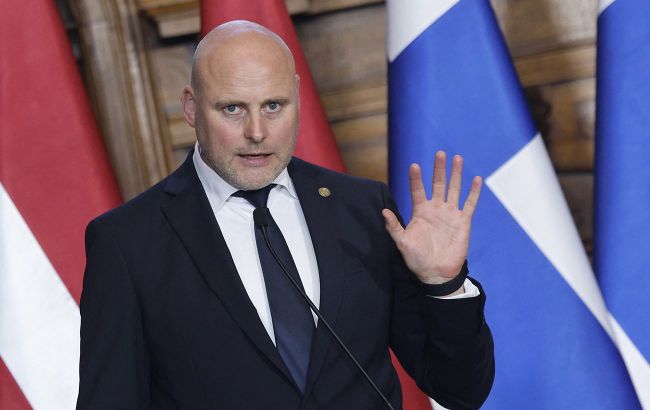 Photo: Latvian Prime Minister Andris Kulbergs (Getty Images)
Latvia has called the EU's refusal to ban individuals who participated in the war against Ukraine from entering member states a major mistake, Politico reports.
Latvia sharply criticizes the EU’s position
Latvian Prime Minister Andris Kulbergs recalled that during discussions on the latest sanctions package, France and Italy opposed a complete entry ban for Russian combatants. The countries argued that the issue should be addressed through EU visa rules rather than as part of the sanctions framework.
Meanwhile, northern and eastern European countries pushed for tougher restrictions.
Thus, the agreement reached created a legal and political basis for banning Russian combatants who took part in the war from entering the EU. However, it left individual EU countries the right to decide when the ban would take effect.
"Are we nuts? We allow Russian military soldiers to be given visas, the ones killing Ukrainians on the field," Kulbergs said.
Other statements by Kulbergs
Kulbergs also opposes European Council President António Costa’s decision to open a channel of communication with Russia. He believes that such a decision should be made by "all the countries together."
The Latvian prime minister called any attempts to establish contacts with Moscow "a useless exercise," arguing that there are no signs that Russian President Vladimir Putin is ready for negotiations.
And negotiations would only give Russia "breathing time" to make its "next move," he said.
Relations with Russia
Latvia has severed relations with Russia, while Kulbergs has taken a tough stance toward Moscow.
However, he said he was open to restoring ties once Russia pays reparations to Ukraine and those responsible for war crimes are brought to justice.
The politician cited post-war Germany as an example to follow.
"Do we isolate Germany because of that? No, it's acceptance of guilt, acceptance of wrongdoing, punishment, and retribution," he said.
Kulbergs believes that after a ceasefire, "the insecurity of the border" will only increase. Hundreds of thousands of "screwed up" Russian soldiers will return from the battlefield in search of a better life, he said.
Other Russians will flee as Moscow’s war economy collapses, he added.
Earlier, RBC-Ukraine reported that Kulbergs said the war between Russia and Ukraine had become a major source of income for some European countries.
It was also reported that in June, Latvia officially joined the Drone Deal initiative, an international agreement on cooperation in defense technologies, including the development and production of unmanned systems.
It was also reported that Latvia purchased special anti-drone systems to repel Russian attacks but did not buy ammunition for them.