Latvia's pro-Ukraine party wins election with record support

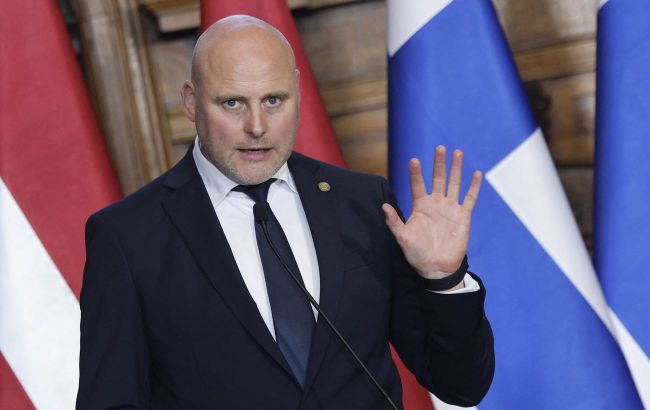 Photo: Latvian Prime Minister Andris Kulbergs (Getty Images)
Latvian Prime Minister Andris Kulbergs' party, United List, achieved a record result in the parliamentary elections. With over 95% of the ballots counted, the party is projected to win 42 of the 100 seats in the Latvian parliament, according to Bloomberg.
This is the best result any single party has achieved in Latvia's parliamentary elections since the country regained its independence in 1991.
For Kulbergs himself, the election was a major test. The 47-year-old politician took office as prime minister only in May, following the collapse of the previous government. The political crisis was triggered, in part, by criticism of the government's response to a drone incursion.
Kulbergs is a relatively new figure in Latvian politics. Since he was appointed head of government, he has focused on direct communication with citizens and regularly posts videos about his work on social media.
The Prime Minister is also known for his confrontational style of political communication. He has repeatedly clashed with the opposition, members of his own political team, and other influential officials.
Last month, Kulbergs also attempted to prevent the removal of two Russian billionaires from the European Union's sanctions list.
After the exit poll results were released, the Prime Minister described the election outcome as a sign of great trust from voters.
"This is a great, great amount of trust from voters," Kulbergs tells Latvian television.
According to him, citizens want change, more direct communication with the government, and view the economy as one of the country's top priorities.
What election results mean
The victory of the United List could give Kulbergs a strong position in negotiations on the future coalition.
Together with his two current coalition partners, New Unity and the National Alliance, the Prime Minister could potentially secure the support of about 60 members of parliament.
At the same time, the Union of Greens and Farmers, which was part of the current ruling coalition, failed to win seats in parliament.
Latvia's new government will be formed against the backdrop of growing security risks in the region. The country borders Russia and Belarus and has been consistently strengthening its border defenses in recent years.
Latvia is also increasing its defense spending and plans to raise it to 5% of GDP. These steps come amid reports of intensified Russian sabotage activities and threats from Moscow against European defense companies that are assisting Ukraine.
Latvia's support for Ukraine
Latvia is a member of the EU and NATO and has remained one of Ukraine's most active supporters since the start of Russia's full-scale invasion.
According to Kulbergs, for security reasons, his country stores about 20% of the Ukrainian government's data on its servers.
It is expected that following the victory of the United List, Latvia will continue its current course of supporting Ukraine.
At the same time, the country has a significant Russian-speaking minority—the largest among the three Baltic states. Several political forces sought to win over its votes in the election.
Latvia First received 13.1% of the vote and came in second, while the Progressives garnered 7.8%.
Lithuania, Latvia, and Estonia are strengthening their defenses in response to the threat from Russia and preparing for a possible conflict. Lithuania is fortifying its border with Belarus with anti-tank trenches, concrete barriers, cameras, and sensors.
The Baltic states are also actively developing unmanned systems, drawing on Ukraine's experience.