Kremlin runs secret mission in Hungary to boost Orbán's poll numbers

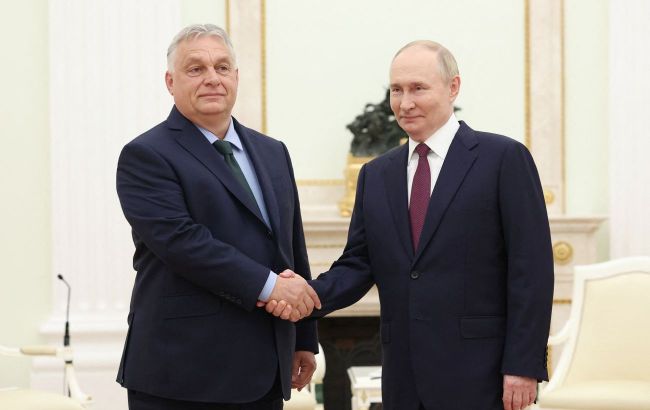 Photo: Hungarian Prime Minister Viktor Orbán and Russian president Vladimir Putin (Getty Images)
Russia secretly launched a disinformation campaign in Hungary to strengthen Prime Minister Viktor Orbán's position and undermine his main rival, Péter Magyar, ahead of the April 12 elections, reports the Financial Times.
Who is behind the campaign
Putin’s administration approved a proposal from the Social Design Agency: fill Hungarian social media with content created in Russia, but spread it through local influencers.
According to the FT, the operation is most likely led by Sergey Kiriyenko, a powerful deputy head of Putin’s administration, who has previously run similar campaigns in other countries.
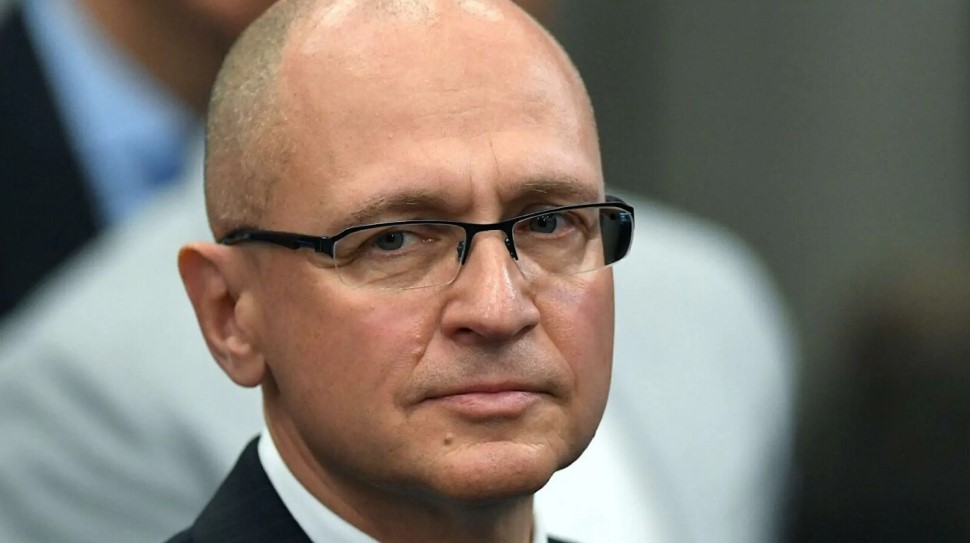 Photo: Sergey Kiriyenko, first deputy chief of staff of the presidential administration of Russia (Russian media)
What Russia plans
The campaign has two goals: boost Orbán's ratings and destroy the reputation of his rival, Péter Magyar, leader of the Tisza party, which is ahead of Fidesz in polls.
Orbán is portrayed as a “strong leader with global friends,” while Magyar is depicted as a “Brussels puppet with no external support.”
There are also planned information attacks against Tisza, attempting to show the party as divided “by incompetence, discord, and hidden agendas.”
The agency is aware of the risk: direct support from Russia could hurt Orbán. Accordingly, there is no direct contact with the Hungarian government.
Interfering in electoral narratives should take into account that direct support from Russia could have the opposite effect, the proposal states.
The content will appear as local: adapted memes, videos, infographics, and materials for a Hungarian audience. Since February, the agency has been monitoring Hungarian media and think tanks and has already selected about 50 pro-Orbán and 30 opposition accounts to distribute the materials.
The information campaign targets Ukraine as well
Anti-Ukrainian narratives have sharply increased on Hungarian social media.
Last week, Hungarian authorities detained Ukrainian citizens carrying cash and gold. According to reports, the pro-Orbán tabloid Ripost.hu published material with manipulated images, and a single Facebook post received 130,000 reactions in a few days, mostly from foreign users. It's a rare reach for the Hungarian segment.
Separately, the independent outlet VSquare reported that three GRU military intelligence officers were sent to the Russian embassy in Budapest. Magyar called for their expulsion, saying, “Russians, go home,” referencing the 1956 anti-communist uprising.
Orbán escalates tensions with Ukraine
At the same time, Orbán has increased pressure on Kyiv. After Ukraine refused to repair a pipeline for transporting Russian oil, damaged by a Russian strike, the Hungarian PM blocked a €90 billion EU loan for Ukraine and promised to veto any plan favorable to Kyiv.
Hungarian billboards show images of money flushed down a golden toilet, while AI-generated videos depict Hungarian soldiers dying at the front.
Both the Russians and the Hungarian government deny all accusations, calling them fake.
Tisza party leader Péter Magyar accused Prime Minister Orbán of inviting Russian GRU agents to Hungary to interfere in the parliamentary elections scheduled for April 12.
According to Magyar, intelligence officers arrived in Budapest several weeks ago, as they had earlier acted in Moldova. He called for their expulsion and for convening the National Security Committee.
Ukraine’s Foreign Ministry sharply reacted to a series of anti-Ukrainian moves from Hungary: Orbán's parliament voted against supporting Ukraine’s EU integration and military funding, and the government legalized the seizure of funds and gold from Ukraine’s Oschadbank. Kyiv called it pre-election populism serving Moscow and described Budapest as a Trojan Horse in the EU.