Kremlin earning windfall profits amid soaring oil prices, Bloomberg reports

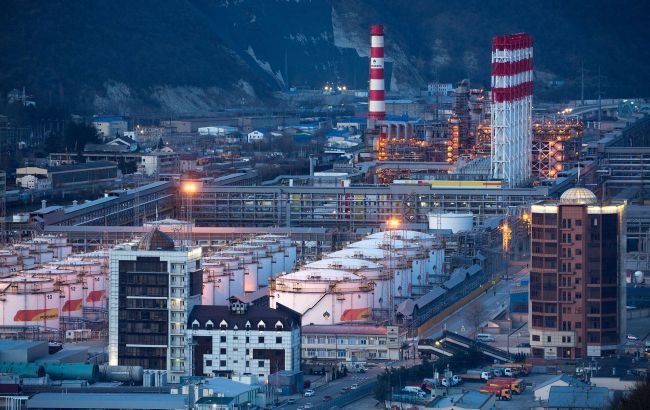 Illustrative photo: the price of Russian Urals crude oil has risen to a two-year high (Getty Images)
The price of Russian Urals crude oil has reached its highest level since autumn 2023, ensuring a significant increase in Kremlin revenues to finance its war needs, according to Bloomberg.
Why did Russian oil become more expensive
As reported by the outlet, according to Russia’s Federal Tax Service, the price of the Urals oil blend reached $94.87 per barrel in May.
The main reason for this surge is the war in Iran, which caused disruptions in crude oil supplies from the Persian Gulf through the Strait of Hormuz.
Due to the shortage in the global market, demand for Russian barrels has increased significantly, and the price used for taxation purposes became 18% higher than in April.
Revenues from the energy sector are currently allowing the Russian government to replenish its reserve fund again and avoid cuts in budget spending.
In particular, tax revenues from oil sales in rubles increased by 60% compared to the same period last year.
Impact of the ruble exchange rate and subsidies
Despite rising global prices, Kremlin profits are somewhat constrained by the strengthening of the ruble, which is currently at its highest level against the dollar since early 2023.
A stronger national currency means fewer rubles are received by the budget for each barrel sold in dollars.
In addition, Russia’s net budget revenue depends on the volume of subsidies for the domestic fuel market.
Due to global fuel price increases, state payments to Russian oil refineries in April reached nearly $5 billion, a record high for the past two years.
Demand for Russian oil
As previously reported, India has officially approached the United States with a request to extend a special permit for importing Russian oil. The current license expires on May 16, and India justifies the need for its extension by the prolonged conflict in the Middle East.
In addition, amid instability in the Islamic region, Japan has resumed purchasing crude from Russia. In particular, the company Taiyo has begun considering Russian oil as an alternative to Middle Eastern supplies in order to ensure stability of energy deliveries.
Meanwhile, Bloomberg analysts warn of a risk of a critical resource shortage for several countries as early as June. The main driver of rising global prices and supply shortages is the prolonged blockade of Iranian ports.