Iran supplied Houthis with intelligence for attacks on Saudi Arabia — WSJ

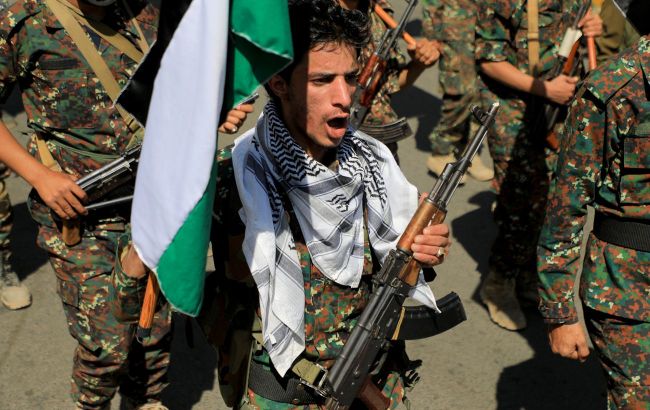 Photo: Yemeni Houthis (Getty Images)
Iran provided intelligence to the Houthis and helped them target oil tankers, energy facilities, and airports in Saudi Arabia with missiles and drones, The Wall Street Journal reports.
According to people familiar with data from Saudi intelligence and the Yemeni coalition opposing the Houthis, thanks to Iran's assistance, the group was able to carry out some of the most powerful and sophisticated attacks in the history of the conflict.
Tehran's support extended beyond arms supplies. Iran also assisted with the guidance of missiles and drones, provided intelligence, and helped refine the militants' tactics.
Iran's assistance fueled the Houthis' offensive, during which they rapidly seized territory in Yemen. The group currently controls part of the coastline along the Bab el-Mandeb Strait—a strategically important maritime route for Saudi oil exports.
The militants are also attacking oil tankers, energy facilities, and airports in Saudi Arabia. Among the attacks mentioned in the WSJ article is one in Riyadh last weekend, which killed at least 13 people.
Military cooperation with the Houthis allows Tehran to increase pressure on regional rivals through allied armed groups. This complicates the efforts of US President Donald Trump and American partners in the Persian Gulf states, who are trying to end the war with Iran on terms favorable to them.
Danny Citrinowicz, former head of the Iranian branch of Israeli military intelligence, said that the connection at the operational level was very strong.
According to him, Iran has a stake in the Houthis' success, as their actions harm Saudi Arabia and could contribute to rising oil prices. The expert believes that this is not merely a relationship between a patron and a group dependent on it, but rather a strategic partnership.
On October 10, King Khalid International Airport in Riyadh came under attack. 12 people were killed and another 309 injured. Following the strike, flights were rerouted, and airport operations were suspended.
On October 11, the airport was attacked again. An unidentified projectile struck the terminal, causing a fire that killed one person and injured 11 others.