Iran’s offensive power may remain diminished — FT analysis

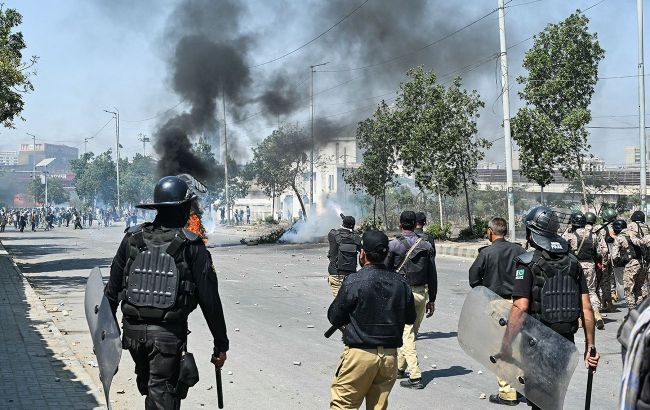 War in Iran (Photo: Getty Images)
Experts note that Iran has significantly reduced the intensity of its missile and drone attacks in the Middle East, shifting to a survival strategy, reports the Financial Times.
Reduction in strike intensity
In the early days of the conflict, Iran carried out massive attacks, but it is now employing a tactic of small strikes, spreading rocket and drone launches throughout the day.
This approach allows it to maintain constant pressure on the enemy, reduce ammunition consumption, and minimize the risk of detection at launch sites.
Limited ability to replenish the arsenal
Experts emphasize that Tehran's resources are limited.
Despite US and Israeli strikes on military facilities, the ayatollahs' regime is still capable of launching missile strikes, but their effectiveness is significantly lower than the initial level.
Many missiles are hidden in deep underground complexes, practically inaccessible to air strikes.
Reserve capabilities and modern missiles
Iran has not yet used its most advanced solid‑fuel missiles.
Experts view this either as a strategic reserve or as a consequence of technical difficulties under constant surveillance by Western intelligence.
The ability to sustain combat operations in the long term remains highly uncertain: warehouses and assembly workshops are systematically being destroyed, and stocks are being depleted faster than new munitions can be produced.
Outlook for the future
According to analysts, Tehran may continue its shelling for some time, but it will no longer be able to return to the level of intensity seen in the first days of the conflict.
The reasons are the deterioration of military infrastructure and the need to retain part of its forces to defend its own territory.
Thus, Iran’s strategy is gradually shifting from massive attacks to conserving resources and preserving combat potential under pressure from the US and Israel.
In Iran, the authorities are involving teenagers as young as 12 to guard checkpoints and other facilities in Tehran, according to media reports, which note that since the start of the war, checkpoints have appeared on the city’s streets where young guards with assault rifles stand duty.
Protests in Iran have been ongoing for 13 consecutive days, despite government threats of harsh measures, while the death toll has exceeded 50 people, including children.