Iran protests: Death toll rises above 100

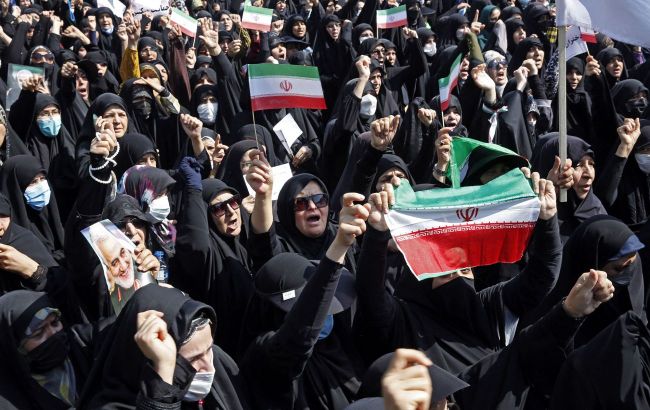 Photo: The death toll from protests in Iran has exceeded 100 people (Getty Images)
The number of people killed during the suppression of mass protests in Iran has risen to 116, according to the Associated Press.
According to the US-based human rights organization Human Rights Activists News Agency (HRANA), the death toll in the protests has reached at least 116, with around 2,600 demonstrators detained.
Meanwhile, Iranian state television reports casualties among security forces but does not mention the deaths of protesters, increasingly referring to them as "terrorists."
The protests continued into the morning in several cities, including the capital Tehran and Mashhad, the country’s second-largest city in the northeast.
Reza Pahlavi, the son of the shah of Iran who was overthrown in 1979 and now lives in exile in the US, called for protests on Thursday and Friday and in a new statement urged demonstrators to take to the streets on Saturday and Sunday.
He also encouraged protesters to carry the old Iranian flag featuring the lion and sun and other national symbols used during the shah's era to "claim public spaces as your own."
Background on the protests in Iran
Since late December 2025, Iran has seen mass protests that have grown in scale and escalated into armed clashes.
The unrest began with merchants from Tehran’s central city market, who took to the streets on December 28 to protest the sharp drop in the national currency’s value.
According to local media, the protests were largely driven by sellers of mobile phones, electronics, and household appliances, who buy goods in foreign currency but sell them in local currency.
Students and other segments of the population joined the demonstrations, as did some individuals who were previously considered loyal supporters of the regime.
The Iranian authorities responded with extreme force, including live ammunition, riot control measures, beatings, and mass arrests.
As of January 10, reports indicated more than 50 deaths, including children.
At the start of the unrest, US President Donald Trump reacted angrily to the crackdown, promising support for Iranian citizens if force was used against them.
Republican Senator Lindsey Graham described the Iranian regime as "Nazi-like" and openly stated that "help is already on the way," hinting at possible US sanctions against Iranian authorities.
Meanwhile, The Times reported that Iran’s Supreme Leader Ali Khamenei has prepared a plan to flee to Moscow if security forces fail to suppress the protests or begin to defect.
Trump also stated that the United States is ready to assist the Iranian people in their struggle for freedom, though it remains unclear whether Washington is prepared for a direct conflict with the Iranian regime.
According to The Wall Street Journal, citing sources in the White House, Trump administration officials have already discussed possible options for striking Iran.
One official noted that the options include a massive airstrike targeting several Iranian military sites.