Instant vs brewed coffee: What's actually better for you

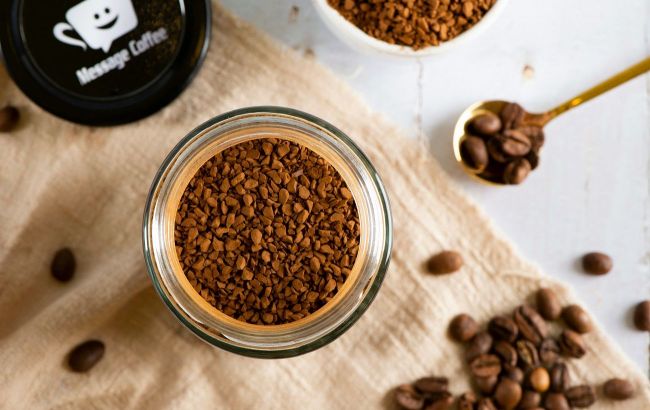 Photo: Who should not drink instant coffee (Unsplash.com)
The fast pace of modern life has led many people to opt for quick solutions, and instant coffee has become one of the most popular choices. Simply pour hot water over the granules, and the drink is ready to serve. But is this choice actually good for your health? Ukrainian professor and dietitian Oleh Shvets shares the answer in a Facebook post.
How instant coffee is made
First, roasted coffee beans are ground and then turned into a concentrate by immersing them in very hot water under high pressure.
Next, manufacturers use one of two drying methods:
- Freeze-drying: freezing the concentrate and evaporating the ice under reduced pressure. This method is higher quality but expensive.
- Spray-drying: the concentrate is sprayed into droplets and instantly dried with hot air. This process is cheaper but partially loses aroma.
Most modern brands use the second method.
Is instant coffee healthier?
High temperatures and pressure during processing change the chemical composition of coffee. Instant coffee contains:
- Less chlorogenic acid, which helps lower blood sugar and blood pressure
- Fewer antioxidants and phenolic compounds
- Less N-methylpyridinium, a substance with anti-inflammatory properties
- More acrylamide, a potential carcinogen
- More oxalates, which may contribute to kidney stone formation
For comparison: 100 g of brewed coffee contains about 657 mg of phenolic compounds, while instant coffee contains only 151 mg.
Possible risks
Some packets of instant coffee contain:
- Sugar and sweeteners
- Milk additives
- Saturated fats
- Preservatives
A few cups a day can become a significant source of added calories and sugar.
Who should not drink instant coffee regularly
- People prone to kidney stones
- Those with insulin resistance or prediabetes
- People with liver diseases
- Those concerned about cancer risks (due to acrylamide content)
Can you drink coffee daily?
Yes, if you have no issues with caffeine and do not experience side effects. Studies even show that coffee may promote longevity. At the same time, it is best to drink it in the first half of the day to avoid disrupting sleep.
Earlier, we shared an ingredient to add to your morning coffee for a protein boost.
This material is for informational purposes only and should not be used for medical diagnosis or self-treatment. Our goal is to provide readers with accurate information about symptoms, causes, and methods of detecting diseases. RBС-Ukraine is not responsible for any diagnoses that readers may make based on materials from the resource. We do not recommend self-treatment and advise consulting a doctor in case of any health concerns.