Infection risk grows as utilities fail in Russian-occupied Ukrainian cities

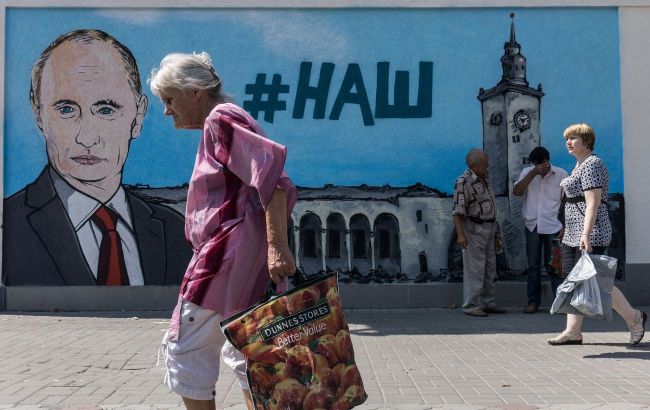 Occupied territories (illustrative photo: Getty Images)
Problems with utilities are worsening in the occupied territories. In Berdiansk, disruptions to electricity and water supplies are creating health risks, while in Mariupol they are affecting communications and social services, according to Petro Andriushchenko, head of the Center for the Study of Occupation.
Utility problems
In Berdiansk, frequent power outages and water supply disruptions have prompted warnings about the risk of acute intestinal infections spreading. The local office of Rospotrebnadzor urged residents to follow preventive measures.
In Mariupol, unstable electricity supplies continue to affect communications. Medical facilities report that residents are not always able to reach them by phone, so patients are advised to visit reception desks in person.
Water is becoming scarce
Problems with stable water supplies in Mariupol have led to the emergence of a separate drinking water market.
The Russian-installed administration is monitoring prices: 5–6 liters of bottled water costs between 80 and 260 rubles (about $1–$3.20), while water sold by the liter costs up to 4 rubles (about $0.05) per liter.
Constant monitoring of drinking water prices indicates persistent problems with supplying the city's residents with water.
Russia is increasingly using the education system in the temporarily occupied territories of Ukraine to spread its own propaganda: schools are introducing mandatory subjects whose content is aimed at imposing a distorted version of historical events.