7 overlooked pet items that pose a serious health risk if not cleaned

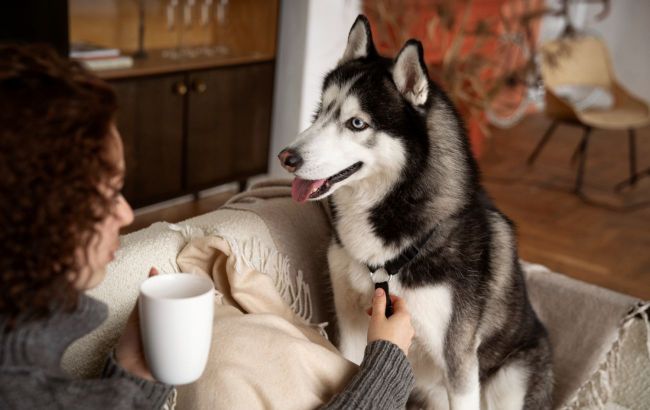 Pet items that need cleaning identified (photo: Magnific)
Pet owners often take care of food, walks, and vet visits, but some important things are overlooked. Dirty toys and unclean bedding can pose a risk to pets’ health, according to Better Homes & Gardens.
Food and water bowls
These are the most important items to keep clean. Spoiled food and stagnant water become breeding grounds for bacteria such as E. coli and Salmonella.
Veterinarian Lisa Kahn said that most owners do not wash their pets’ bowls as often as they should. It is recommended to wash water and dry food bowls daily, while bowls used for wet food should be cleaned after each use.
Bacteria can cause mild skin irritation or gastrointestinal upset and may even pose a risk to family members. Stagnant water can also attract pests.
Bowls should be washed the same way you clean your own dishes — with soap and hot water.
Pet beds
Pet beds are often cleaned monthly (or even less frequently), after hair, dirt, saliva, and bacteria have already built up. They should be cleaned at least once a week.
Many pet beds have removable covers that can be machine-washed, making regular cleaning much easier.
Toys
Chew toys accumulate microbes and food residue. Toys should be cleaned weekly, especially if they are used outdoors.
Rubber or plastic toys should be washed in the sink with soap and water.
Treat-dispensing toys require even more frequent cleaning. Their hollow interiors can trap food residue, which quickly spoils and attracts bacteria.
Leash and collar
Most pet owners rarely wash leashes and collars. After walks, they are often left near the door to dry, bringing in everything from dirt and pollen to sweat and bacteria.
Over time, residue can cause skin irritation or unpleasant odors.
Monthly washing should be standard. Most fabric leashes and collars can be machine-washed.
Litter boxes
Cat litter boxes require daily cleaning. Scooping alone is not enough to control odors or bacteria.
Once a week, empty the box, wash it with soap and hot water, and let it dry completely before refilling. If you use a plastic scoop, wash it weekly to prevent bacterial buildup.
Carriers
Pet carriers and travel crates are often overlooked, but they accumulate fur, saliva, urine, and bacteria, which can lead to infections or stress.
After each use, wipe down the inside of the carrier and wash any removable liners or covers. Larger carriers can be rinsed outside with a hose and left to air dry.
Grooming tools
Brushes, combs, and nail clippers regularly come into contact with your pet’s skin, so they should be cleaned after each use.
Hair, oils, skin flakes, and dirt quickly build up on grooming tools, creating a breeding ground for bacteria and fungi.
To keep tools hygienic and effective, soak them in warm soapy water every few weeks. Rinse thoroughly with clean water and allow them to dry completely before storing.
This material is for informational purposes only and should not be used for medical diagnosis or self-treatment. Our goal is to provide readers with accurate information about symptoms, causes, and methods of detecting diseases. RBС-Ukraine is not responsible for any diagnoses that readers may make based on materials from the resource. We do not recommend self-treatment and advise consulting a doctor in case of any health concerns.