Greek tankers continue exporting Russian oil amid EU sanctions rules

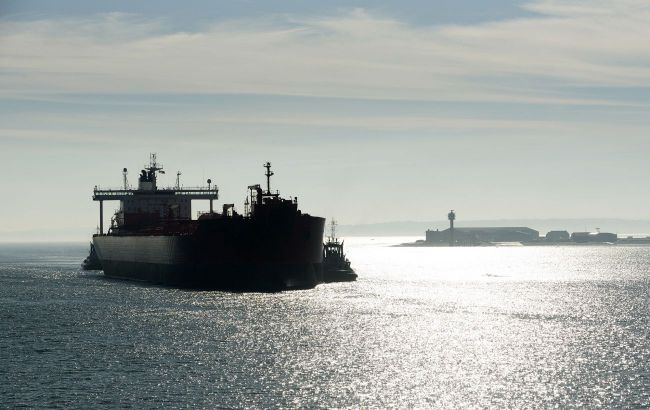 Photo: Greek tankers transporting Russian oil in the Baltic Sea (Getty Images)
Greek oil tankers continue operating near Russian ports on the Gulf of Finland, facilitating Russia's oil exports despite EU sanctions, reports Finnish outlet YLE.
Maritime traffic monitoring services recorded the Greek tankers Velos Topas and Irini in the Gulf of Finland near Russian ports. Velos Topas was at the port of Laukaansuu, one of Russia's key oil terminals, while Irini was spotted near the coast of Saint Petersburg.
The presence of Greek-flagged vessels in the Baltic Sea is unexpected, as EU countries aim to curb Kremlin revenue from energy exports.
Maritime experts, however, note that registering ships in Greece does not automatically breach sanctions. European legislation allows the transport of Russian oil if certain conditions are met:
- Exports to EU countries are prohibited;
- Oil prices cannot exceed the cap set by sanctions.
For instance, the Greek tanker Minerva Julie, after calling at a Russian port, is heading to Taiwan rather than Europe.
Oil exports bypassing sanctions
Russia is actively using a shadow fleet, a network of vessels registered outside the EU and hidden behind complex corporate structures.
The situation with Greek tankers demonstrates that even vessels from EU countries can legally transport Russian oil.
Experts estimate that 30-40% of Russian oil exports pass through the Baltic Sea.
Western countries avoid using force to stop these tankers, as Moscow could interpret such actions as hostile or even acts of war.
Sanctions against Russia
The European Union may adopt its 20th sanctions package against Russia in January, with official discussions expected after the New Year holidays. A senior EU official noted that this issue is not currently a top priority.
Sources indicate that informal consultations are ongoing regarding a possible new package, including updates to sanction lists. Officials stress that this is part of a standard preparatory process.
In October, the EU approved its 19th sanctions package against Russia, aimed at reducing Kremlin revenue and blocking schemes to circumvent restrictions through third countries.