Global oil spikes as Iran seizes ships and Hormuz tensions rise

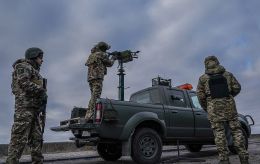
 Photo: Strait of Hormuz under dual blockade (Getty Images)
Oil prices continue to rise amid a lack of any progress in negotiations between Washington and Tehran, while the Strait of Hormuz remains a zone of instability, Reuters reports.
On Thursday, April 23, Brent crude futures rose by $1.26 to $103.17 per barrel. US WTI gained $1.20 to reach $94.16.
Why oil is rising again
A day earlier, both benchmarks closed more than $3 higher after US gasoline and distillate inventories fell more than expected.
Analysts at ING explain the situation simply: there is no movement toward resolving the conflict.
“The oil market is repricing expectations with little sign of progress in finding a resolution in the Persian Gulf,” ING analysts said in a note.
According to them, hopes for a resolution are fading as peace talks have reached a deadlock.
What is happening in the Strait of Hormuz
Before the conflict began on February 28, about 20% of daily global oil supplies passed through the strait. Now, transit is restricted from both sides.
On Wednesday, April 22, Iran seized two vessels in the waterway. At the same time, US forces intercepted at least three tankers flying Iranian flags in Asian waters — near India, Malaysia, and Sri Lanka — and are redirecting them.
US President Donald Trump extended the truce at the request of Pakistani mediators. However, he has not lifted the blockade on Iran’s maritime trade.
Iranian parliament speaker and chief negotiator Mohammad Bagher Ghalibaf said that a full ceasefire would only make sense after the US lifts the blockade.
What analysts say
“In addition, Iran's seizure of two vessels attempting to transit the Strait of Hormuz suggests disruptions to shipments are set to continue,” ING analysts noted.
It is worth recalling that global food prices could surge sharply due to the blockade. About one-third of maritime fertilizer trade passes through Hormuz, and shortages are already affecting agriculture.
The US Energy Information Administration (EIA) warned that even if the Strait of Hormuz reopens, fuel prices could continue rising for several more months.
A full recovery of supply chains will take months regardless of when the conflict ends.