
Global food prices set to surge as Strait of Hormuz blockade looms - FT

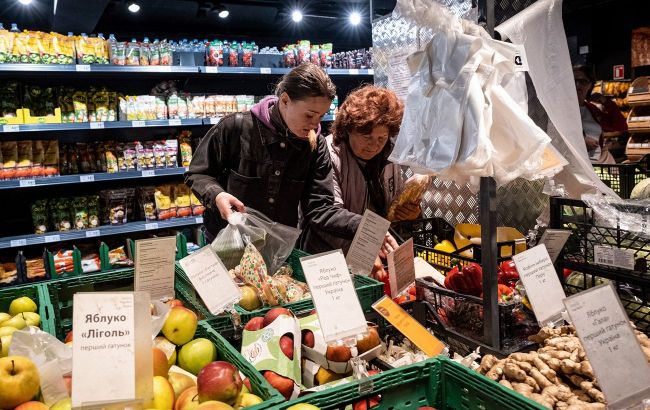 Shoppers in a grocery store (Photo: Getty Images)
The world is facing a massive food shock due to disruptions in shipping through the Strait of Hormuz. The blockade of energy flows has already triggered a fertilizer shortage and a logistical collapse, according to analysis from the Financial Times.
A fifth of the world's oil and gas exports pass through the Strait of Hormuz, but another critical factor is that this route accounts for a third of maritime trade in fertilizers. Without them, agriculture is doomed to falling crop yields.
Pablo Galante Escobar, head of liquefied natural gas at Vitol, said at a summit in Lausanne:
He said that they were living on borrowed time and that it was not a sustainable solution, adding that otherwise the energy crisis would turn into a food crisis.
According to the expert, since the US and Israeli strikes on Iran, industrial demand for gas has fallen by 40%. Ammonia plants have been hit hardest. If there are no fertilizers, food prices in the coming seasons will become uncontrollable.
Collapse in canals and expensive logistics
Since Iran closed the Strait and the US imposed a blockade, this has triggered a chain reaction. Asian buyers rushed to buy oil from the US.
Now the Panama Canal is overloaded: oil tankers are buying up all the slots, and ships are stuck in queues of up to 40 days. Grain delivery on some routes has become 50-60% more expensive.
Louisa Follis, head of analysis at Clarksons, notes that oil giants are paying millions of dollars to skip the line. Farmers cannot afford that.
Market underestimates the scale of the disaster
Traders warn that the worst is yet to come. Markets are still hoping for a short conflict, but that is a mistake. Even just six more months of such a blockade will ruin the 2027 harvest cycle.
Vijay Chakravarthy, chief risk officer at Louis Dreyfus, said that the market had not accounted for longer-term disruptions and that no one was ready for them.
Besides gas, there is now a problem with sulfur, which is a critical raw material for fertilizers. It is now being taken by metallurgists for copper smelting, while most food producers find themselves at the back of the line.
There is another risk: government panic. If countries start stockpiling reserves en masse due to fear of shortages, prices will skyrocket instantly. The countries that depend entirely on food imports will suffer the most.
What is known about the situation around the Strait of Hormuz
Due to its unstable condition, the EU is already planning to expand the AggregateEU platform. Union countries will buy fuel together in order to drive down prices.
On global exchanges, oil and natural gas prices spiked sharply after the US Navy seized an Iranian ship. This followed Tehran's shelling of European vessels and its reimposition of control over Hormuz.
Even in the event of peace between the US and Iran, restoring energy supplies will not be quick. The director of the International Energy Agency (IEA) warned that the safety cushion will soon run out.

