Global gas giants declare force majeure after Qatar gas halt

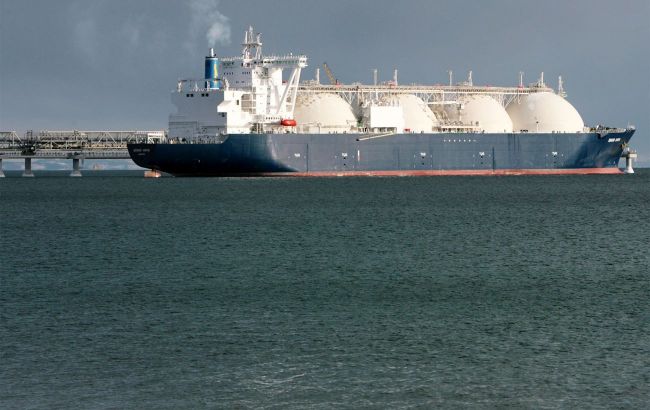 World's largest gas giants declare force majeure (photo: Getty Images)
World's largest natural gas traders, including Shell and TotalEnergies, have declared force majeure amid a production halt in Qatar, Reuters reports.
According to Reuters sources, several companies that buy liquefied natural gas from QatarEnergy, including Shell, TotalEnergies, and some firms in Asia, declared force majeure for customers to whom they supply gas.
Qatar, the second largest exporter of liquefied natural gas in the world, last week announced a halt of production at its facility with a capacity of 77 million tons per year and declared force majeure on liquefied natural gas supplies.
Shell, which is the world's largest trader of liquefied natural gas, and TotalEnergies have long-term partnership relations with QatarEnergy and are partners in the large-scale North Field expansion project, which aims to increase capacity by 2027.
Analysts estimate that Shell consumes 6.8 million tons of Qatari liquefied natural gas per year, while TotalEnergies consumes 5.2 million tons per year and sells it to its customers around the world.
According to experts, it is still difficult to predict the reaction of markets to this force majeure. But if the pause in operations of Shell and TotalEnergies drags on, global gas prices may continue to rise.
Qatar's energy minister, Saad Sherida al-Kaabi, said last week to Financial Times that return to normal supplies will take "from weeks to months," even if the war ends today.
What preceded
On March 8, Kuwait declared force majeure amid conflict between the United States and Iran and began to reduce oil production in the country.
The national oil company did not report how much it will reduce production. In February, Kuwait produced about 2.6 million barrels of crude oil per day. It is known that the reduction became a precautionary measure and will be reviewed as the situation develops.
The major producers in the Middle East will maintain oil production for a maximum of 25 days if movement through the Strait of Hormuz is completely stopped.