Germany’s gas refusal could leave Europe facing a brutal winter - Politico

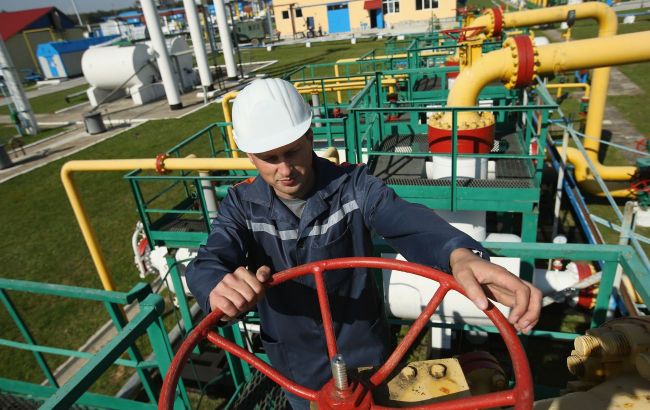 Gas shortage in Germany could affect neighboring countries (Photo: Getty Images)
Natural gas reserves in Europe have dropped to dangerously low levels, which could threaten shortages and price hikes this winter. Germany plays a key role in determining how the situation will unfold, according to Politico.
Politico explains that in the EU, traders and utility companies are responsible for replenishing gas storage facilities. They buy gas at low prices in summer and sell it in winter for profit.
However, as buyers say, this year's increase in summer prices — driven by the US war with Iran and climate change — has disrupted that dynamic, leaving gas reserves in EU countries at 58% of national storage capacity.
This figure is 16% below the five-year average and is the lowest since 2011.
The European Commission has stated that the bloc does not face supply shortage risks this winter. However, an analysis by the energy consultancy Rapidan shows that by November, reserves will only reach 65% of total storage capacity.
Rapidan notes that meeting the EU's winter target will be impossible unless the bloc offers a higher price for gas to be delivered to Europe. And here, Germany poses a particular challenge.
According to the latest data, Germany's gas reserves stood at just 47% of national storage capacity in August — the lowest fill level since records began.
This is especially concerning because Germany's gas storage is critical for the entire EU, accounting for more than 20% of the bloc's total storage capacity.
Politico explains that Germany is the EU's most vulnerable country due to its sheer size — a gas deficit there could affect neighboring countries, driving up prices across the bloc if Berlin fails to replenish its reserves.
However, despite acknowledging the historically low reserves, Germany's energy ministry has refused to intervene or oblige state-owned companies to purchase gas at current prices.
What else is important to know
Several weeks ago, the CEO of Equinor — Europe's largest natural gas supplier — stated that Europe would most likely fail to fill its storage facilities to 80% before winter.
In July, Belgium fully switched to importing Russian liquefied gas — a shift driven by the war in the Middle East.