France faces historic heatwave: How locals survive

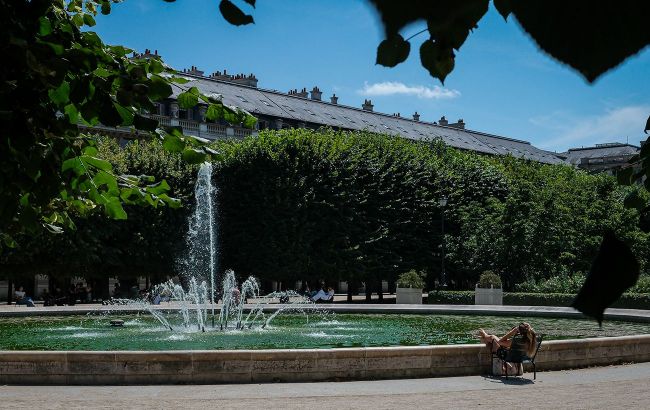 How France is coping with extreme heat and how people are staying safe (Photo: Getty Images)
France is experiencing an unprecedented weather anomaly. This week, the country was hit by a record heat wave, with temperatures in some southwestern regions, particularly in the town of Pissos, surpassing +44C (111F). While tourists are trying to avoid heatstroke, the French themselves have completely reorganized their daily lives.
RBC-Ukraine, citing the Daily Mail, reports on how locals have adapted to these historic high temperatures and what life hacks they’re using to keep from going crazy in the sweltering heat.
Siestas instead of sports and barricaded windows
For many regions of France, the current weather has become a real test of endurance. Residents of Brittany admit that their daily lives have been turned upside down.
People are giving up sports, walks, and even cooking hot meals en masse to avoid heating their homes unnecessarily. Many are adjusting their work schedules, starting their day at dawn, at 7 a.m., to get at least something done before the midday heat sets in.
"We've totally changed our day-to-day life. Total rest, no cleaning, no sport, no walks, minimum shopping, no cooking - we're going to sleep much later, so the tiredness has really built up," says a resident of Brittany.
Closed windows and canceled celebrations
In Lyon and other southern cities, the construction and restaurant industries have had to make significant adjustments. Construction sites now completely halt work as early as 12 p.m.
Restaurants are luring customers with powerful air conditioners and drastically changing their menus, offering only cold soups, salads, and light snacks.
Meanwhile, in the north of the country, in Lille, where the highest (red) danger level is in effect, authorities have officially canceled all mass gatherings and outdoor sporting events.
Closed shutters have become the main lifeline for the older generation. Local retirees air out their apartments only at dawn, and by 10 a.m., they completely block the windows, creating an artificial cool darkness inside.
"I don't go out much. I open the windows in the morning and close them around 10 a.m. - time to read and rest. Also, the prefecture has banned sporting events while Lille is in a red danger zone of heat; group meet-ups and festivities have been cancelled," says 67-year-old Françoise.
She adds that people weren’t prepared for such abnormal weather. And they’re already thinking about how to organize their daily lives until the next heat wave—shopping in advance, buying books and puzzles, and purchasing modern, portable, and affordable air conditioners.
Environmental debates and Omega effect
Extreme temperature records have sparked a new wave of political debate within the country. French environmentalists are actively opposing the widespread installation of air conditioners in schools and hospitals, emphasizing that artificially cooling buildings only increases emissions and worsens the situation globally.
The alternative solution proposed by experts involves a large-scale redesign of urban spaces, planting thousands of trees, and adapting architecture to new climatic realities.
The cause of this extreme weather spike (18 degrees above the seasonal norm) was an atmospheric phenomenon known as the Omega block. This meteorological barrier resembles the Greek letter Omega in shape and literally traps the scorching air over a specific area, preventing cool cyclones from entering for weeks.
Meanwhile, locals are sharing their tips: drink plenty of water and keep it in the fridge, take a nap if you start feeling unwell, avoid fatty, heavy foods, and instead add salads, fruits, and yogurt to your diet.
Shoes stick to sidewalks
Tourists and experts from other countries, who aren’t used to this kind of climate, have the hardest time. The popular tourist destination of Bordeaux, with temperatures of +41–42 degrees, is described as a creepily deserted city.
The outdoor café terraces are empty, and people only venture out after sunset—as night falls, the fountains and water features become the main attractions.
38-year-old tourist Tori says that it was impossible to stand in the sun. She adds that she had gone to a museum in a World War II submarine bunker to cool off and that every day she had to drink 6 to 8 large bottles of water.
Travelers complain that being in the sun for more than 10 minutes causes severe dizziness, and the asphalt gets so hot that summer shoes with thin soles literally start to melt and stick to the stone slabs of the sidewalks.
The only effective solution for those who find themselves in Paris or other major cities during the summer is to follow the example of the French themselves.
At the first opportunity, locals simply flee the capital to visit relatives in cooler rural areas or on the coast, leaving the sweltering concrete boxes empty.