Forget 'working off' food at the gym: Coach explains why

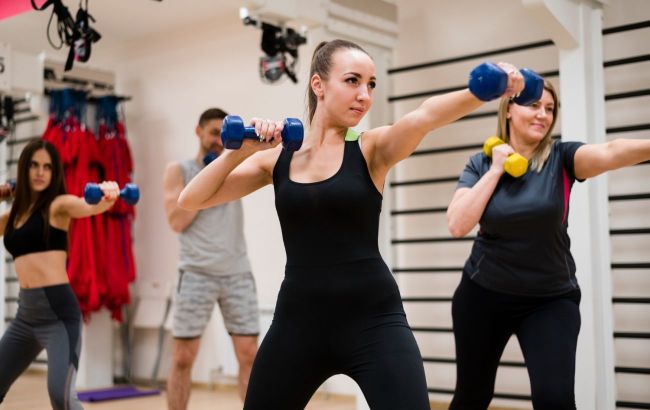 Coach explains why exercise and food should not become a punishment system (photo: Magnific)
Many people know the urge to make up for a dessert or a hearty dinner with an extra workout. However, this habit can gradually change how we view exercise: instead of supporting our health and well-being, physical activity starts to feel like a punishment.
Pilates coach Oksana Chernetska told RBC-Ukraine why the benefits of a workout shouldn't be measured solely by calories burned, and how to develop a healthy attitude toward exercise.
Where urge to 'work off' food comes from
According to coach Chernetska, the mindset of "I ate too much—I need to work it off" has long existed in society. Diet culture, social standards of appearance, and the habit of evaluating food and physical activity solely in terms of calories fuel it.
As a result, workouts are often viewed primarily as a way to burn off what a person has eaten.
"Food is not a wrongdoing that needs to be atoned for. It is energy, nutrients, pleasure, and part of normal life. And physical activity is a way to take care of your body, not a punishment for allowing yourself to have dessert," the coach explains.
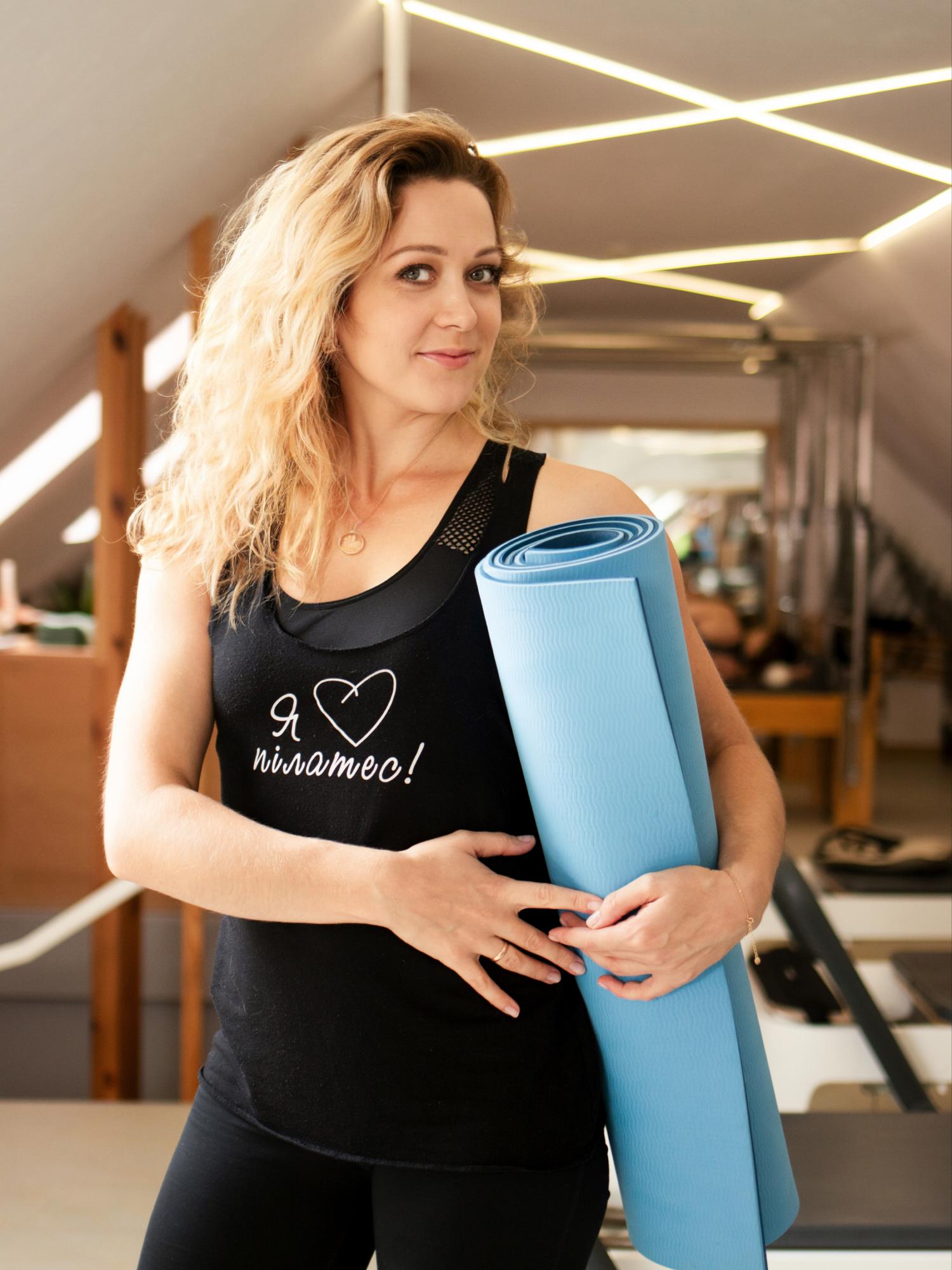
Pilates coach Oksana Chernetska (photo: Oksana's heritage)
Why vicious cycle develops
The problem begins when a person feels guilty after eating certain foods by default and tries to compensate by exercising.
The expert says a simple pattern can gradually develop: food triggers guilt, guilt leads to exercise, exercise begins to feel like punishment, and skipping a workout creates another sense of guilt.
As a result, a person stops enjoying movement and starts viewing their own body as something that constantly needs to be "fixed."
"A healthy relationship with movement is when you look forward to a workout because you know you will feel better afterward than you did before," Chernetska emphasizes.
When exercise is no longer self-care
Several signs are worth noticing. They include feeling guilty about missing a workout, exercising despite severe fatigue, and being unwilling to allow yourself a rest day.
Another warning sign is believing a light workout was "not enough" if it doesn't leave you extremely tired or sore.
Also pay attention if the main measure of a successful workout becomes the numbers on a smartwatch: calories burned, miles covered, or workout duration.
"There is a very simple test: after a workout, you should feel that you have taken care of your body. If physical activity is constantly accompanied by fear, guilt, and exhaustion, reconsider your attitude toward it," the coach says.
Why muscle soreness is not a sign of good workout
Oksana Chernetska emphasizes that the benefits of physical activity go beyond burning calories.
During workouts, people develop strength, coordination, mobility, endurance, balance, and movement control. Regular physical activity also supports the cardiovascular system, bones, and joints.
So feeling extremely tired after a workout doesn't necessarily mean it was effective.
"Especially in Pilates, I often emphasize to my clients that the quality of movement can be much more important than the number of repetitions. Sometimes a calm workout that leaves a person feeling lighter and more connected with their body can be much more valuable than a session after which they can barely make it out of the gym," the expert explains.
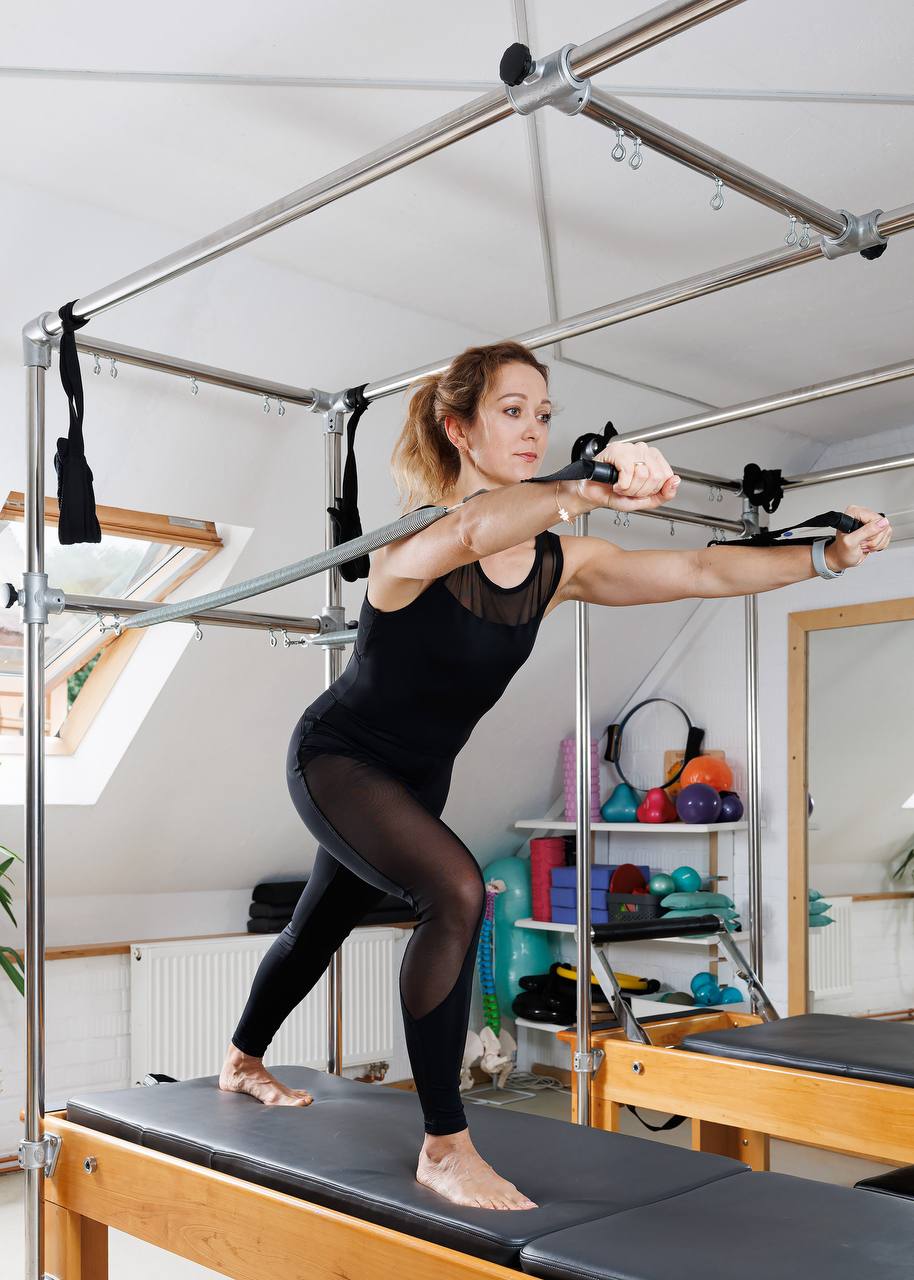
Pilates coach Oksana Chernetska (photo: Oksana's heritage)
How to learn to exercise without feeling guilty
First, Chernetska recommends changing the question a person asks themselves before a workout.
Instead of asking, "How many calories will I burn today?" it is better to ask, "What does my body need today?"
One day, that may be strength training; another, mobility work, recovery, or light activity. Sometimes, movement is simply needed to boost energy, improve your mood, or spend time with friends.
It is equally important to allow yourself to rest and not tie your workouts to how much you have eaten.
"We don't exercise to earn our food, but because we want to have a strong, healthy, and functional body 10 or 20 years from now. Physical activity is a way of taking care of yourself," Oksana Chernetska concludes.
This material is for informational purposes only and should not be used for medical diagnosis or self-treatment. Our goal is to provide readers with accurate information about symptoms, causes, and methods of detecting diseases. RBС-Ukraine is not responsible for any diagnoses that readers may make based on materials from the resource. We do not recommend self-treatment and advise consulting a doctor in case of any health concerns.