Forbes: US may score unexpected gains in confrontation with Iran

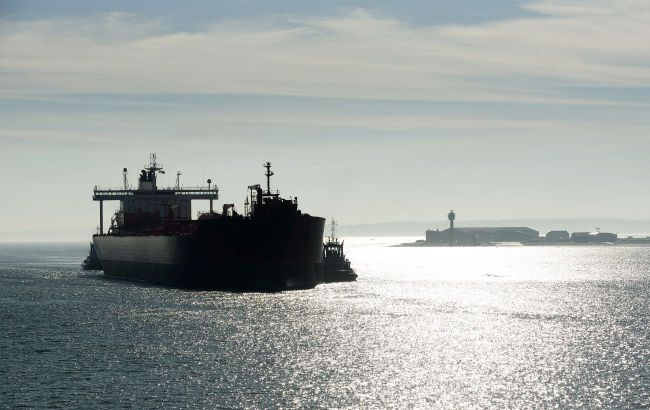 Photo: The United States could gain unexpected "prizes" in a war with Iran (Getty Images)
A blockade against Iran could bring the United States unexpected profit and strategic benefits through the so-called Prize Law, which has not been applied since World War II. However, the opportunity could also be exploited by other actors, according to Forbes.
The Prize Law is a body of maritime and laws of armed conflict governing the seizure of neutral or enemy merchant vessels.
It applies to civilian merchant ships, unlike enemy warships or aircraft, which automatically become war prizes upon capture.
The law is applicable only during an armed conflict.
According to Forbes, one example of its use is the US seizure of the Iranian vessel M/V Touska for violating the American blockade of Iranian ports on April 19.
After a vessel is captured, it may be escorted to a port under the jurisdiction of the belligerent party for inspection and review by a prize court. This court determines whether the seizure was lawful.
If so, the court may declare the vessel and its cargo a prize and transfer ownership to the capturing state.
In the United States, federal district courts have jurisdiction as prize courts, but they have not been used since 1956. If a dispute cannot be resolved, the state may destroy a prize vessel after taking all possible measures to ensure the safety of passengers and crew.
Implications of the law's application
According to the publication, the US likely wants to signal to its adversaries that it will aggressively defend its rights as a belligerent party in maritime warfare.
Applying Prize Law would also send a clear message to neutral commercial vessels heading to Iranian ports not to violate the US blockade anywhere in the world.
Prize law could also become a useful tool for the United States in any future conflict with China.
China is actively building dual-use merchant vessels that can also be used for military purposes. It also operates the world's largest commercial fleet by tonnage and is heavily dependent on maritime transport of energy and materials.
Prize law would allow the seizure of Chinese merchant vessels wherever they are located outside neutral territory.
At the same time, the revival of prize and capture laws could also shape the future of conflicts.
As Forbes notes, Iran could use the terminology of "prize" and "seizure" when intercepting ships, complicating the US information campaign on the legality of its own actions.
The application of prize law in the current US-Iran conflict could also open the door for China to use similar laws against the United States in a potential war.
US blockade
As a reminder, on April 13, the United States announced the start of a maritime blockade of the Strait of Hormuz after Iran restricted vessel movement in response to US and Israeli strikes.
US President Donald Trump ordered the Navy to open fire on vessels laying mines in the strait and did not rule out limited military strikes on Iran.
Against this backdrop, US allies are preparing for potential operations in the region.
In particular, Germany is already redeploying specialized ships closer to the Strait of Hormuz, but plans to join demining efforts only after hostilities end.
At the same time, Turkey has expressed readiness to consider participating in demining of the strategic oil route after a possible peace agreement between Iran and the United States.