Foods you should never eat while taking Ozempic

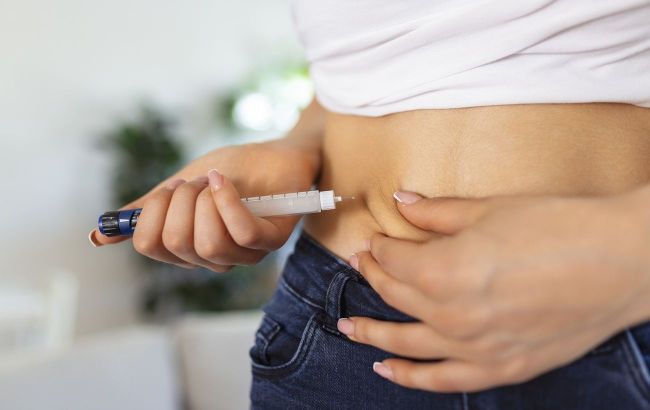 What you should and shouldn't eat while taking Ozempic (Illustrative photo: Magnific)
GLP-1/GIP-1 drugs such as semaglutide (sold under the brand names Ozempic and Wegovy) and tirzepatide (Mounjaro) effectively suppress appetite, slow digestion, and help people feel full for longer. However, following the right diet while taking these medications is essential, says professor and dietitian Dr. Oleh Shvets.
How these weight-loss injections work
The effectiveness of these drugs is based on three key mechanisms.
First, they stimulate the pancreas to release more insulin in response to rising blood sugar levels.
Second, they physically slow stomach emptying, allowing food to remain in the stomach longer and significantly reducing feelings of hunger.
Third, they act directly on appetite-regulating centers in the brain, helping switch off persistent cravings and thoughts about snacking.
However, these medications cannot eliminate the body's basic nutritional needs. People who neglect food and water intake while taking GLP-1 drugs risk persistent nausea, weakness, constipation, and losing muscle instead of fat.
There is no special "Ozempic diet," but there are several important dietary rules patients should follow.
Prioritize protein at every meal
If the medication is working as intended, you'll likely feel full after eating only a small amount. That's why every meal should begin with a protein-rich food. Protein is essential because the body cannot store it for later use. Without enough protein, it starts breaking down muscle tissue.
Healthcare professionals recommend choosing highly bioavailable protein sources, including eggs, lean chicken, and oily fish.
For people following a plant-based diet, excellent options include tofu, lentils, legumes, and nuts.
Fill your plate with colorful vegetables — but limit fruit
Vegetables should become the foundation of your diet, and variety matters. Different-colored vegetables, such as red, yellow, and green bell peppers, provide different combinations of beneficial phytonutrients.
Fruit and berries, meanwhile, should be eaten in moderation. Although they contain vitamins and fiber, they are also naturally high in sugar.
Dietitians recommend treating fruit as a dessert and limiting intake to about 200 grams (7 ounces) per day.
The best choices include lower-sugar berries such as raspberries, strawberries, and blackberries, as well as kiwi, grapefruit, and watermelon.
Foods that can trigger nausea and digestive problems
Certain foods can significantly worsen gastrointestinal side effects while taking GLP-1 medications.
Fatty and ultra-processed foods
Because these drugs already slow digestion, fatty meals—especially deep-fried foods—can remain in the stomach for hours. This often leads to bloating, heartburn, severe nausea, or diarrhea.
Alcohol
Alcohol not only increases digestive discomfort but may also raise the risk of hypoglycemia, or dangerously low blood sugar, because it interferes with the liver's ability to release glucose into the bloodstream.
If avoiding alcohol completely isn't possible, experts recommend keeping it to a minimum—no more than one drink per day for women (such as a glass of wine or a 12-ounce beer) and two drinks per day for men.
How to lose weight safely while taking GLP-1 drugs
Experts recommend monitoring two things to ensure you're eating enough: your energy levels and the rate of weight loss.
A safe and sustainable pace is about 1 kilogram per week.
If you're losing weight more quickly and wake up feeling completely exhausted, it could be a sign that you're consuming far too few calories and your metabolism has slowed significantly.
The main recommendation for people taking these medications is to eat small meals every three hours and drink plenty of water to prevent dehydration.
If you do overeat, a light walk can help stimulate digestion and improve bowel movement.
If nausea, abdominal pain, or other side effects persist, consult your doctor. They may recommend lowering your dose or temporarily switching to bland, easy-to-digest foods such as crackers, rice, or low-fat soups while avoiding spicy meals.
This material is for informational purposes only and should not be used for medical diagnosis or self-treatment. Our goal is to provide readers with accurate information about symptoms, causes, and methods of detecting diseases. RBС-Ukraine is not responsible for any diagnoses that readers may make based on materials from the resource. We do not recommend self-treatment and advise consulting a doctor in case of any health concerns.