Five common habits that silently damage your posture and spine

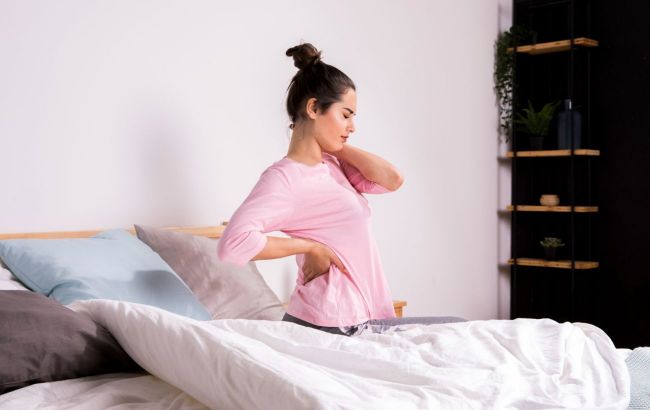 Habits that worsen posture have been identified (photo: Freepik)
Everyday actions that seem harmless can actually slowly damage your posture. Most people do not even notice how it happens, according to the Real Simple website.
Tilting your head to look at screens
Tilting your head forward to look at smartphones and laptops is one of the most common habits that contributes to poor posture.
The farther your head moves in front of your shoulders, the more pressure is placed on the spine. This is why people often complain of pain in the shoulders and the lower part of the neck.
Over time, this can alter the natural curve of the neck, shifting more weight onto the shoulders and upper back. To prevent this, position screens higher or at eye level to avoid straining your neck.
Prolonged sitting
Sitting for several hours in a row leads to fatigue of postural muscles, which results in slouching and does not support the natural curves of the spine.
Make sure that sofas or chairs, especially desk chairs, provide proper support so that you do not strain or overload the muscles of the back, neck, or shoulders.
Look for chairs with firm cushioning, good lumbar support, and a seat height that allows your feet to rest flat on the floor.
Sleeping on your stomach
Lying on your stomach causes the neck to rotate to one side or the other and can strain the muscles. You may fall asleep in one position and wake up in another.
It is important to pay attention to how you move during the day so that your body can focus on rest at night. When you change these habits, posture improves along with sleep quality.
If pillows are positioned too high or too low, this can negatively affect spinal health. In particular, indentations in a mattress create an uneven surface, leading to muscle tension, restless sleep, and strain on the spinal curves.
Poor form during exercise
Physical activity is extremely important for health, but improper technique can do more harm than good. For example, lifting weights without proper breathing or lowering your head during an exercise can lead to stiffness, pain, or even injury.
In addition to checking exercise technique, it is important to stretch thoroughly before starting a workout. Warming up with light, dynamic stretches such as shoulder rolls, chest opening, and neck movements can help relax tight muscles and support better form during exercise.
Wearing uncomfortable shoes
High heels shift the pelvis forward, creating an imbalance that requires greater activation of other muscles. When you wear shoes with flat insoles, you also lose foot support. This transfers impact forces from the heels to the lower back, knees, and hips.
Over time, such footwear can cause lower back pain. To prevent this, check your shoes at least once a year and replace pairs that show uneven wear or look worn out.
Look for shoes with arch support, cushioning in the heel area, and a stable sole that helps absorb impact.
This material is for informational purposes only and should not be used for medical diagnosis or self-treatment. Our goal is to provide readers with accurate information about symptoms, causes, and methods of detecting diseases. RBС-Ukraine is not responsible for any diagnoses that readers may make based on materials from the resource. We do not recommend self-treatment and advise consulting a doctor in case of any health concerns.