Fatigue, burnout, or depression: How to tell why you want to shut yourself away

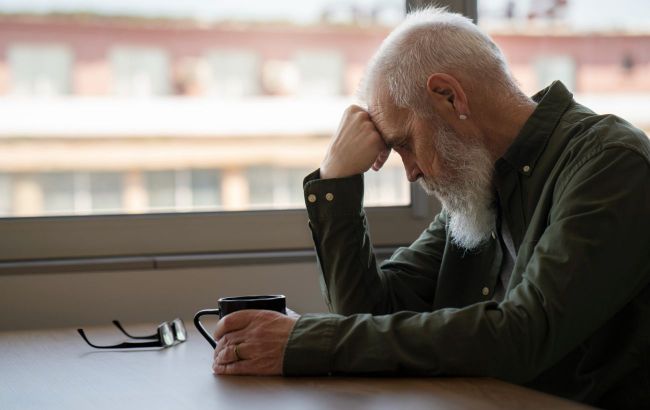 Why we want to shut ourselves in alone and when it signals depression (photo: Freepik)
The desire to shut yourself away and avoid talking to anyone does not always mean depression. Sometimes it is simply a sign of fatigue or emotional exhaustion. However, it can be difficult to tell these states apart.
Master of Psychology and psychotherapist Nataliia Harina explained which signs point to ordinary fatigue, which may indicate depression, and what to do in such cases.
When the desire to be alone is normal
According to the psychologist, when a person remains under prolonged stress — work, responsibility, emotional strain — the mind tries to conserve resources.
In this case, social isolation becomes a way to recover.
"You want silence, minimal contact, and after rest, your condition gradually stabilizes, and interest in people and activities returns," says Nataliia Harina.
This is a normal reaction of the body to overload. You are not broken — you are simply tired.
When it may be depression
However, if the desire to isolate yourself is accompanied by other symptoms, this can be a warning sign.
Signs of a depressive state:
-
Persistent apathy
-
Loss of interest in things that previously brought joy
-
Sleep and appetite disturbances
-
Feelings of hopelessness
-
Lowered self-esteem
-
Thoughts of worthlessness or not wanting to live
"If this lasts more than two weeks, it may already be a sign of a depressive state. The main difference lies in depth and duration. Fatigue passes after rest. Depression does not," the expert emphasizes.
If you took a few days off, rested, slept well, and felt better, it was fatigue. If even after rest nothing changes, the heaviness remains, and interest in life does not return, it may be something else.
The third option — emotional burnout
"There is also a third option — emotional burnout. You may want to escape from people, but inside there is more irritation and emptiness than sadness," the psychologist explains.
With burnout, you do not feel deep sadness. You feel emptiness and irritation. You are not sad — you are indifferent. And that makes you even more irritated.
How to understand what is happening
Nataliia Harina advises honestly answering three questions:
How long has this been going on?
One day? A week? A month? Several months?
Does isolation bring relief?
Do you feel better after being alone? Or worse?
Do you feel better after resting?
After rest, do you feel a surge of energy? Or does the heaviness remain?
If the answer to all three questions is "no, it does not get better," that is an important signal.
What to do
"If you are unsure, that alone is enough reason to talk to a psychologist or a doctor. Early help allows you to restore your resources much faster. Remember, the desire to be alone is normal. The only question is whether it is recovery or a signal that you are having a very difficult time right now," says Nataliia Harina.
Do not wait for it to "pass on its own." Do not hesitate to seek help if you feel that you cannot cope. In such situations, admitting to yourself that there is a problem is the first step toward recovery.