Experts reveal which coffee is least harmful for your heart

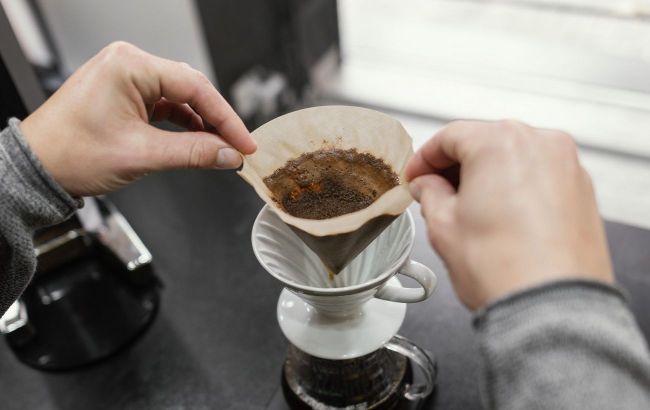 Photo: which coffee is safest for your heart (Freepik)
Coffee is not only a source of caffeine, but also a drink that contains more than two thousand bioactive compounds that can have a positive effect on the body.
Onet shares which type of coffee does not harm your health.
Why drinking coffee is beneficial
Polyphenols are of particular value as antioxidants with anti-inflammatory properties. New studies suggest that moderate coffee consumption may support heart and blood vessel function.
Cardiologist Dr. Abelyan notes that the positive effects of coffee sometimes surprise even medical professionals. Most scientific analyses confirm a link between regular coffee consumption and better cardiovascular health.
At the same time, the specialist advises not to exceed four to five cups per day, roughly 450 mg of caffeine.
Although coffee can temporarily increase heart rate and blood pressure, it can still be part of a healthy lifestyle. People who are sensitive to caffeine should opt for decaffeinated coffee, which also retains some of its beneficial properties.
The best brewing method
Experts emphasize that not only the amount of coffee matters, but also how it is prepared.
Filtered coffee is considered the safest option for the heart. During filtration, substances such as cafestol and kahweol — which can raise levels of “bad” LDL cholesterol — are removed from the drink.
Long-term observations show that this method is best suited for preventing cardiovascular diseases.
A meta-analysis published in the journal BMJ, involving nearly 1.3 million people, found that drinking one to five cups of coffee per day is associated with a 5–11% lower risk of cardiovascular disease.
According to the doctor, regularity and moderation play a key role.
Coffee is a supplement, not the foundation of health
Scientific evidence indicates that moderate coffee consumption may have a long-term protective effect on the heart and blood vessels.
However, Dr. Abelyan stresses that coffee cannot replace physical activity, a balanced diet, or proper control of risk factors.
This material is for informational purposes only and should not be used for medical diagnosis or self-treatment. Our goal is to provide readers with accurate information about symptoms, causes, and methods of detecting diseases. RBС-Ukraine is not responsible for any diagnoses that readers may make based on materials from the resource. We do not recommend self-treatment and advise consulting a doctor in case of any health concerns.