European Parliament backs EU plan to phase out Russian gas by end of 2027

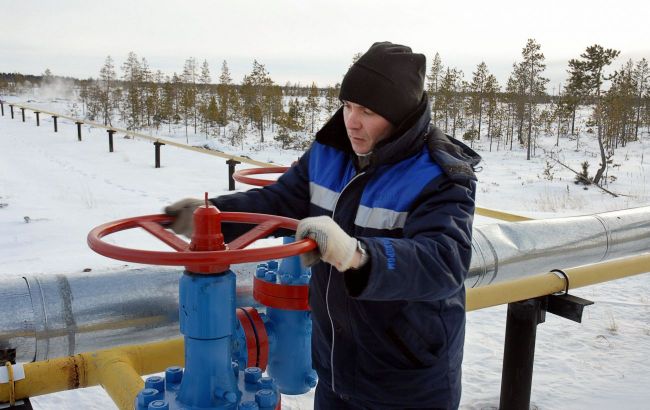 Illustrative photo: Russian gas supplies to Europe will come to an end (Getty Images)
The European Parliament has backed a European Union plan to gradually phase out purchases of gas from Russia by the end of 2027, according to the European Parliament's press service.
The relevant bill was approved by 500 votes in favor, 120 against, with 32 abstentions. The document now requires formal approval by the EU Council and is expected to be finalized early next year.
The European Parliament said the legislation is aimed at protecting the EU's energy security from being used as a weapon by Russia.
Under the EU plan, supplies of Russian liquefied natural gas (LNG) will be banned in the bloc once the regulation enters into force in early 2026. Imports of Russian pipeline gas will be phased out by September 30, 2027.
The law also tightens deadlines for terminating most import contracts and sets penalties that member states must impose on operators for violations.
During the vote, lawmakers also pushed for a complete ban on imports of Russian oil. In response, the European Commission pledged to prepare the necessary legislation in early 2026 so that such a ban can take effect no later than the end of 2027.
MEPs also called for stricter conditions for any temporary suspension of the import ban, insisting it should apply only in exceptional emergency situations related to the EU's energy security. To prevent loopholes and attempts to circumvent the new rules, companies will be required to provide customs authorities in advance with detailed and verified information on the country of origin of the gas before it is imported or placed into storage.
EU approves plan to phase out Russian gas
A week ago, it emerged that EU ambassadors had approved a plan to gradually abandon Russian gas by autumn 2027. For the initiative to take effect, it still needs to be backed by ministers from EU member states.