European Commission presents two measures to finance Ukraine, including reparations loan

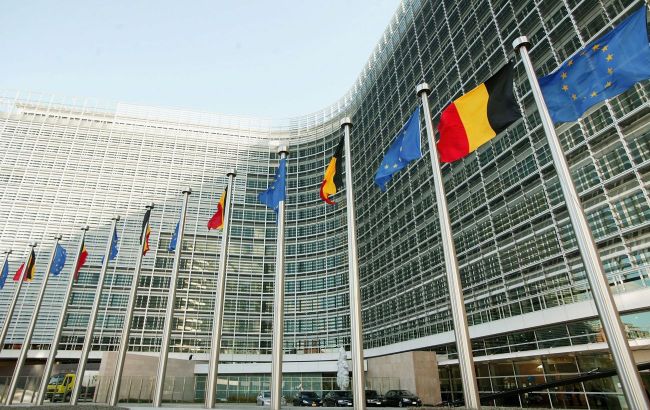 Photo: The European Commission stated that the proposed financing measures for Ukraine will increase the cost of Russia’s war (Getty Images)
The European Commission has proposed two measures to finance Ukraine during 2026–2027. These involve EU borrowing and a reparations loan, according to the European Commission's website.
To strengthen Ukraine’s financial resilience amid the full-scale war, the European Commission has proposed two measures to cover Kyiv’s financial needs for 2026–2027.
These include EU borrowing backed by the European budget, as well as a reparations loan, which would allow the Commission to borrow remaining funds from financial institutions holding frozen Russian assets.
"With today's proposals, we will ensure Ukraine has the means to defend themselves and take forward peace negotiations from a position of strength," European Commission President Ursula von der Leyen commented on the proposals.
She emphasized that the proposed measures will help cover Ukraine’s financial needs over the next two years. They are intended to strengthen its defense industry, support the state budget, and facilitate integration into the European defense-industrial base.
"We are increasing the cost of Russia's war of aggression. And this should act as a further incentive for Russia to engage at the negotiating table," the Commission President stressed.
Von der Leyen stated that spending on the war against Russia must be increased, and the Commission’s proposals provide the opportunity to do so.
She stated that two-thirds of Ukraine’s financial needs for the next two years were being proposed to be covered, totaling €90 billion, and that the remainder would be covered by international partners.
At the next European Council meeting, scheduled for 18–19 December in Brussels, clear commitments regarding further actions will be determined.
Frozen Russian assets for Ukraine
Belgian Prime Minister Bart De Wever recently stated that the EU's plan to use frozen Russian assets to finance Ukraine could have serious economic and geopolitical consequences.
Earlier reports suggested that Belgium’s resistance may have more practical reasons than "fear of retaliation" from Russia, as EU officials suspect that Belgium may be appropriating income from Russian assets.
Additionally, the United States has advocated for returning Russian assets frozen in EU countries to Moscow after a peace agreement between Ukraine and Russia is reached.
Meanwhile, European countries are developing a Plan B in case they fail to agree on using frozen Russian assets to provide a reparations loan to Ukraine.
According to Politico sources, one option gaining support is a "transitional" loan financed through EU borrowing to support Ukraine during the first months of 2026.