European Commission adopts EU's first-ever visa strategy - Changes in 2026

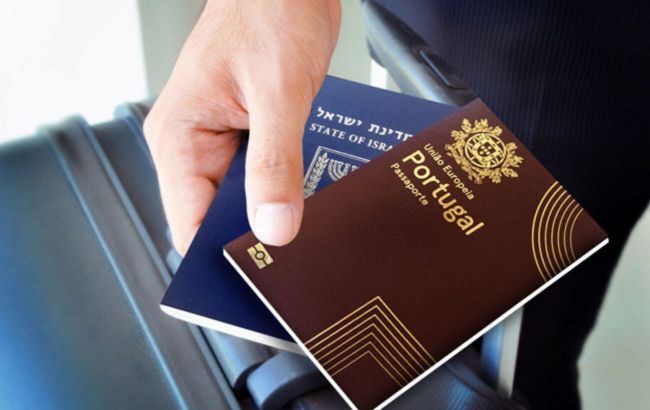 Photo: the changes will take effect later this year (Getty Images)
The European Commission on Jan. 29 adopted the EU’s first-ever visa policy strategy, which will set out the rules for issuing visas and visa-free travel, aiming to make travel to the bloc safer and more convenient. The strategy is set to start taking effect between October and December 2026, according to the website of the European Commission.
The adopted strategy is aimed at making Europe:
-
safer, by strengthening the first line of security screening;
-
more prosperous and competitive, by facilitating access for those who contribute to the bloc’s economy and societies;
-
more influential globally, by promoting the EU’s strategic interests, values, and international standing;
-
more efficient, through a smarter, more modern, and more consistent visa policy.
According to the European Commission, the visa strategy is built on three key pillars: strengthening EU security, boosting prosperity and competitiveness, and introducing modern visa tools. Details of each are outlined below.
Strengthening EU security
The Commission said the strategy proposes concrete measures to use visa policy to advance the EU’s strategic interests and reinforce the bloc’s security system. These include:
-
a modernized system for granting visa-free status to partner countries, including a new assessment framework with clear criteria for evaluating potential candidates (to be introduced in 2026);
-
tighter monitoring of compliance with existing visa-free regimes under a reformed visa suspension mechanism;
-
stronger visa leverage through an update of the Article 25a mechanism, allowing restrictions on countries that fail to cooperate on migrant returns, alongside added security and anti–illegal migration incentives. This would be done through a revision of the Visa Code in 2026;
-
the option of targeted restrictive visa measures in response to hostile actions by third countries;
- new measures to strengthen travel document security to combat fraud, including new EU-level definitions and sanctions for document forger
Boosting prosperity and competitiveness
The Commission noted that travel and mobility play a key role in driving the European economy, with the Schengen area remaining the world’s most visited destination, and said the strategy introduces new measures to boost the EU’s global competitiveness, attract and retain talent, and make lawful travel for tourists and business travelers simpler, faster, and more predictable.
Key measures include:
-
new digital procedures for travelers entering visa-free and for those who require a visa. From the fourth quarter of 2026, the ETIAS will simplify and partially automate pre-departure checks for visa-free travelers, while visa applicants will be able to complete the entire process online;
-
longer-validity multiple-entry visas for vetted travelers and a single list of trusted companies to simplify procedures for business travelers invited by reliable sponsors;
-
improved conditions for highly skilled professionals, including possible amendments to EU rules for students, researchers, and highly qualified and experienced workers. The EU may also develop a legal framework for startup founders, scale-up companies, and innovative entrepreneurs;
-
additional support for non-EU nationals and employers in resolving visa-related issues through European legal centers;
-
extra EU funding to support visa processing for highly qualified and experienced non-EU citizens.
Modern visa tools
The Commission said that millions of travelers arrive at the external borders of the Schengen area each year, either with short-term visas or from visa-free countries, noting that managing these flows effectively requires modern systems that strengthen security while facilitating lawful travel.
To this end, the EU is rolling out advanced digital tools to modernize visa and border control. By 2028, EU IT systems are expected to become interoperable, allowing simultaneous queries across multiple databases and a single centralized search, improving information exchange and preventing visa abuse.
Recommendation on attracting talent for innovation
In parallel, the Commission adopted a recommendation on attracting talent for innovation to make the EU more appealing to highly skilled professionals, students, researchers, and innovative entrepreneurs and to strengthen the bloc’s global competitiveness.
The recommendations call on EU member states to:
-
simplify and speed up procedures for long-term visas and residence permits through digitalization, fewer documents, and shorter processing times;
-
ease transitions from study or research in the EU to employment or entrepreneurship;
-
improve intra-EU mobility;
-
enhance access to information and strengthen coordination between authorities, universities, and research institutions across the EU.
EU may further restrict visas for Russians
Previously, in November 2025, a European Commission spokesperson said the bloc was ready to consider further restrictions on issuing Schengen visas to Russian citizens.
In addition, on January 29, 2026, Estonia proposed banning entry to all Russian military personnel who took part in the war against Ukraine, a proposal that is currently under consideration within the EU.