Europe stockpiles record amounts of Russian gas before ban

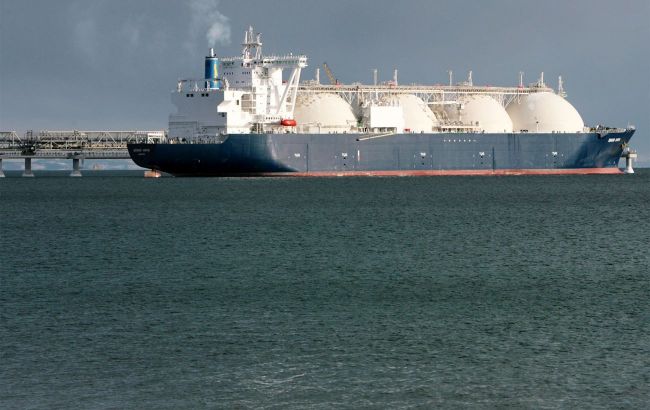 Photo: A tanker carrying Russian LNG (Getty Images)
In the first half of 2026, before restrictions on Russian liquefied natural gas took effect, Europe imported a record amount of LNG from the Yamal plant in Russia, Financial Times reports.
According to data from the analytics firm Kpler, the EU’s purchases from Yamal LNG, controlled by the Russian private company Novatek, reached a record 9.89 million metric tons in the first six months of the year. This is 18% more than during the same period last year.
According to estimates by the non-governmental organization Urgewald, European countries paid approximately 6 billion euros for these shipments. The main buyers in the first half of the year were:
- France – 3.6 million metric tons
- Belgium – 2.9 million metric tons
- Spain – 2.7 million metric tons.
Currently, EU regulations already prohibit the purchase of Russian liquefied natural gas under short-term contracts. Therefore, each shipment requires official confirmation from customs authorities that the sale took place under a long-term agreement.
Why imports rise and what lies ahead
Europe absorbed nearly the entire output of the Siberian plant in the months leading up to the new restrictions taking effect. Starting January 1, 2027, a complete EU ban on Russian LNG imports under long-term contracts will take effect, forcing Russia to seek alternative routes. Pipeline gas from Russia is scheduled to be banned later that same year.
Europe’s willingness to accept the fuel was crucial for the Arctic Yamal project, which relies heavily on a small fleet of specialized Arc7 ice-class tankers. Shipment volumes depended directly on the swift handling of these vessels at European ports.
Alternative shipments to Asia via the Northern Sea Route are significantly riskier and take longer. As a result, shipments from Yamal to the Asian market fell by 74% in the first half of the year—to 510,000 metric tons. According to sources, international shipping and insurance companies are currently wary of future EU sanctions.
Russia wants to sell gas to Asia instead of Europe. At the same time, media reports have indicated that such a shift could result in a significant reduction in revenue for the Kremlin due to increased logistics costs.
In May, India refused to purchase LNG from Russia, which is subject to US sanctions. This decision was made despite a shortage caused by the conflict in the Middle East.