Europe inflation surges to record high as oil hits $110 — WSJ

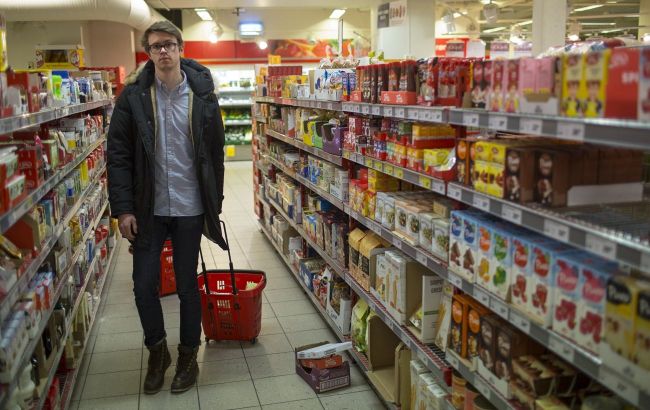 Photo: A store in Europe (Getty Images)
Europe is suffering from a new surge in prices due to the oil crisis. Inflation in Germany and Spain hit new multi-year highs in April due to the conflict in the Middle East, according to The Wall Street Journal.
Prices are rising faster than analysts expected. In Germany, the cost of the consumer basket rose by 2.9% compared to last year. This is higher than the March figure of 2.8%. The government agency Destatis confirms that this is the highest inflation rate since the beginning of 2024.
Spain is showing even worse trends. There, inflation has jumped to 3.5%. The official agency INE recorded the highest price level in the past year.
All because of Trump and Iran
Energy has become the main driver of inflation. Fuel and electricity prices have dragged everything else along with them. In Germany, energy costs have skyrocketed by 10.1%, marking the hardest blow to Germans’ wallets since the 2023 energy crisis.
The reason, of course, is the blockade of the Strait of Hormuz, analysts say. Brent crude is already trading above $110 per barrel, and negotiations between the US and Iran have reached an impasse, which is scaring investors.
What European Central Bank says
Bankers are closely monitoring the situation, as Eurostat is set to release aggregate data for the eurozone today, April 30. Interest rate decisions will depend on these figures. For now, experts predict that rates will remain unchanged. ECB President Christine Lagarde has spoken quite firmly and is not promising any quick relief.
ECB President says there is no easy path back to where we were before the outbreak of this conflict, households and firms have just experienced a major inflation shock, and may be more sensitive to rising costs. The memory is still fresh, she adds.
What Europeans can expect
Business sentiment is deteriorating, as the economic expectations indicator has fallen to the level seen during the 2020 pandemic. Back then, the economy was paralyzed by lockdowns; now, it is being affected by the war and rising prices.
The ECB has already made preliminary calculations:
- Every 14% increase in oil prices adds 0.5% to overall inflation
- In 2026, inflation will average 2.6%
- This significantly exceeds the bank’s 2% target.
The economists’ worst-case scenario looks grim: if the conflict drags on, inflation could peak at 4.8% in 2027. This would mean a prolonged period of high living costs and low purchasing power for millions of Europeans.
Inflation and prices in Ukraine
The crisis in the Strait of Hormuz is also being felt in Ukraine. Food prices are expected to rise over the course of the year. Moreover, this increase may occur in two stages.
Rising energy costs are hitting small and medium-sized businesses hard. In Kyiv, about 400 cafes and fast-food outlets have closed in the last two months.
Prices in the capital of Ukraine are also breaking records. Some goods have risen in price by more than 15% in a month.