EU warns of key fallout from Middle East conflict

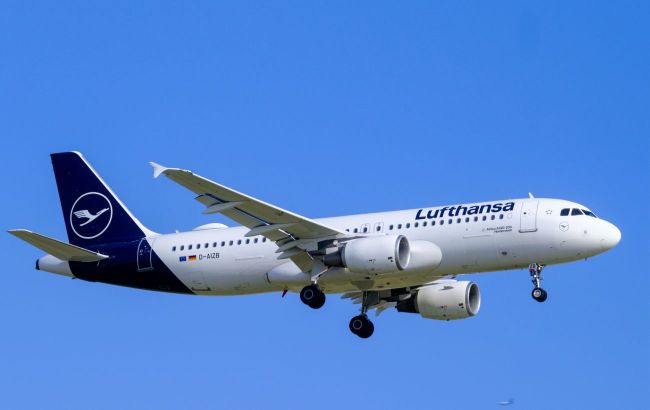 The EU names the key negative consequence of the conflict in the Middle East (Photo: Getty Images)
A potential shortage of jet fuel due to the war in Iran is a major concern for the European Commission and a reason for airlines to increase pressure on the EU's climate policy, reports Euractiv.
"European airlines were not running short of fuel just yet, but could face kerosene shortages in the near future," said Anna-Kaisa Itkonen, spokesperson for the EU executive committee on energy policy.
According to her, crude oil supplies to EU refineries have been stable, and there is currently no need to release additional reserves. She added that European refineries can cover about 70% of the bloc's kerosene needs.
"Our job and our role at the moment is to coordinate and gather full situational awareness and real-time information about the situation, which is why we are now convening oil and gas coordination groups on a weekly basis," Itkonen emphasized.
What airlines are saying
However, European operators are already insisting on action and concessions from Brussels. The trade association Airlines for Europe (A4E), whose members include Ryanair, Lufthansa, and Air France-KLM, has already called for the creation of a platform for joint negotiations and procurement of kerosene.
The lobby group also wants to pass a law requiring European countries to stockpile aviation fuel specifically, just as they are already required to do with oil and gas.
Europe introduces restrictions amid the energy crisis
Due to the war in the Middle East, Europe is now experiencing fuel shortages, with Central Europe the hardest hit.
For instance, the governments of some countries are trying to stop panic and fuel tourism by introducing strict daily limits.
In particular, Germany has approved legislative changes to curb the sharp rise in fuel prices caused by the war in Iran.
Additionally, the European Commission has called on citizens to work from home, drive less, and fly less in order to save precious hydrocarbons.