EU's dual strategy: How Europe will support Ukraine over next six months

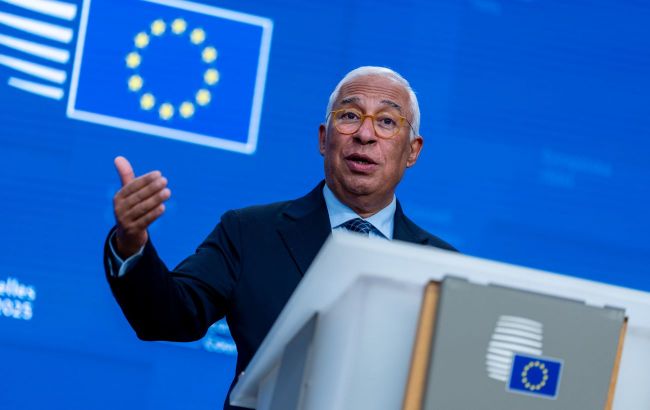 Photo: European Council President António Costa (Getty Images)
According to Costa, during Ireland's presidency of the Council of the EU, partners will continue pursuing a dual strategy: supporting Kyiv while increasing pressure on Russia. He said this approach is essential to achieving a just and lasting peace in Ukraine.
The European Council President noted that European values and security "are being put to the test in a challenging global geopolitical context," but the EU remains firmly committed to international law. In his view, Ireland, with its strong commitment to defending the international rules-based order, is the right country to hold the presidency at the right time.
Pressure on the Kremlin and the battlefield
Costa stressed that the situation on the battlefield is changing thanks to the courage of the Ukrainian Armed Forces. At the same time, he said, European assistance and sustained pressure on Moscow have played a decisive role in this process.
"Russia must understand that time is not on its side. And that it must move from the battlefield to the negotiating table," the European Council President said during his speech in Dublin.
The presidency of the Council of the European Union rotates among member states every six months. Ireland has officially taken over the role and begun its six-month term.
Earlier, media reports claimed that António Costa had held talks with a senior Russian official from the inner circle of Russian President Vladimir Putin.
According to the reports, the contacts were an attempt to engage the Kremlin in negotiations aimed at ending Russia's war against Ukraine.
Several European leaders later criticized the European Council President for failing to inform some partners about his contacts with Kremlin representatives.