Earth faces critical threat: 7 of 9 planetary boundaries are now breached

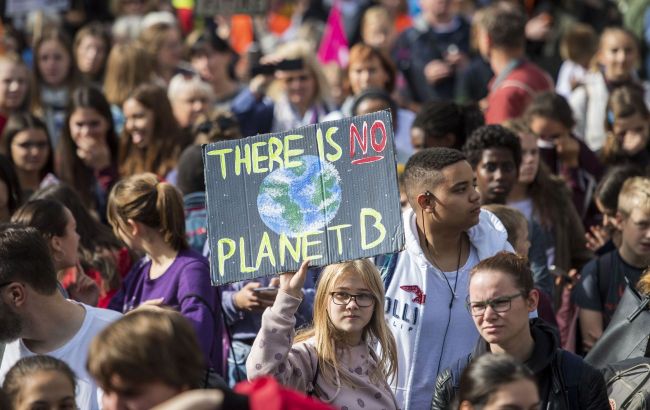 Scientists call for urgent action to save Earth’s systems (photo: Getty Images)
Earth’s ecosystems are facing the strongest pressure in recorded history — the planet’s natural protective mechanisms are rapidly weakening. This is the conclusion reached by 60 scientists in the annual Planetary Health Check report, according to Scientific American.
Breached planetary boundaries and major threats
The concept of planetary boundaries, developed in 2009, defines a safe operating space for humanity.
Of the nine critical indicators, seven are currently in the high-risk zone.
The breached boundaries include:
- Climate change.
- The loss of biosphere integrity.
- Changes in land use.
- Freshwater depletion and pollution.
- Disruption of biogeochemical cycles.
- The emergence of novel entities, including plastics and chemicals.
- Ocean acidification, which entered the danger zone for the first time last year.
Only two areas have shown positive trends over the past decade — the recovery of the ozone layer and a reduction in atmospheric aerosol pollution, although air quality remains critical in some regions.
Loss of natural buffers and climate disasters
The ability of oceans and forests to absorb carbon dioxide is rapidly declining. Scientists warn that the Amazon rainforest is approaching a tipping point beyond which it could turn into a savanna.
This would have catastrophic consequences for climate stability, food security and human health around the world.
Recent extreme weather events — abnormal heat, wildfires in Europe, droughts and devastating floods — are a direct consequence of the disruption of natural systems.
Silence over the problem and calls for action
The report was presented in New York during Climate Week ahead of the United Nations General Assembly meeting.
"Accelerating action to return to the safe operating space across all Planetary Boundaries is essential to protect lives and livelihoods, and to deliver on the promise of shared future prosperity," said climatologist Johan Rockström.
Meanwhile, Climate Group CEO Helen Clarkson drew attention to the silence surrounding the issue among global businesses, which avoid public statements through so-called "green-hushing."
"I have never seen this level of hiding positions before. Many companies tell us they will be here, but not too visibly. But after such a summer, when we have seen so many tragedies caused by climate change, it is time to speak up. The world is standing on the edge of an abyss, and people want change," the expert said.
At the same time, the report’s authors emphasize that humanity still has the knowledge and technologies needed to bring ecosystems back within safe boundaries, but the window for making decisions is rapidly closing.