Direct hit didn't stop it: robot evacuated wounded for six hours near Pokrovsk

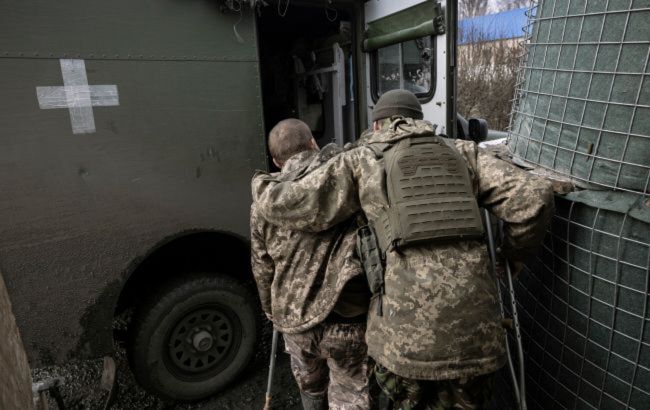 Illustrative photo: evacuation of wounded (Getty Images)
Ukrainian paratroopers carried out a complex and high-risk evacuation of wounded comrades in the Donetsk region using a ground robotic system, according to the 25th Separate Airborne Sicheslav Brigade on Facebook.
The operation took place near Pokrovsk and lasted about six hours under constant threat from Russian drone attacks.
A ground robotic platform operated by the 25th Separate Airborne Sicheslav Brigade moved through mud and drone activity to deliver wounded paratroopers to a stabilization point. Even a direct hit from an FPV drone did not disable the vehicle.
Two wounded evacuated from different positions
The robot was tasked with evacuating two soldiers from separate locations. One was in critical condition after an FPV drone strike, suffering shrapnel wounds to the side, back, and legs.
Due to the intensity of fighting, conventional vehicle evacuation was considered too dangerous, making the use of the robotic system effectively the only way to extract the wounded from the grey zone.
The ground robot reached the first position and, while moving, also picked up another injured soldier with lighter shrapnel injuries.
Attack on return route
The route proved extremely difficult, with deep ruts, slippery terrain, and continuous drone threats.
On the way back after evacuating the first soldier, the robot was struck by an FPV drone. One of the soldiers managed to leave the platform, while the vehicle, despite being hit, withstood the impact and continued moving.
Adverse weather conditions further complicated the mission and limited mobility.
Despite the damage, the robotic system reached the second position, evacuated another wounded soldier, and delivered both to the designated evacuation point.
Transfer to stabilisation point
At the final stage, fellow troops transferred the wounded to a vehicle and transported them to a stabilization point, successfully saving the lives of two servicemen under extremely difficult conditions.
The 25th Separate Airborne Sicheslav Brigade said the defence of the Pokrovsk axis remains one of the most difficult sectors. Russian forces actively use drones to monitor logistics routes, significantly complicating ammunition deliveries, rotations, and medical evacuation.
Technology saving lives
The incident near Pokrovsk highlights how robotic systems are becoming critical on the modern battlefield. In situations where any vehicle movement risks a drone strike, ground robots provide a safer way to evacuate the wounded and protect those carrying out rescue missions.
Ukrainian forces continue assault and counteroffensive actions in the Oleksandrivka direction, aiming to halt Russian advances toward the Dnipropetrovsk region.
At the same time, Russian propaganda outlets continue to publish distorted battlefield maps that differ significantly from official information released by the General Staff of the Armed Forces of Ukraine.